
Spathiphyllum blandum
Spathiphyllum blandum
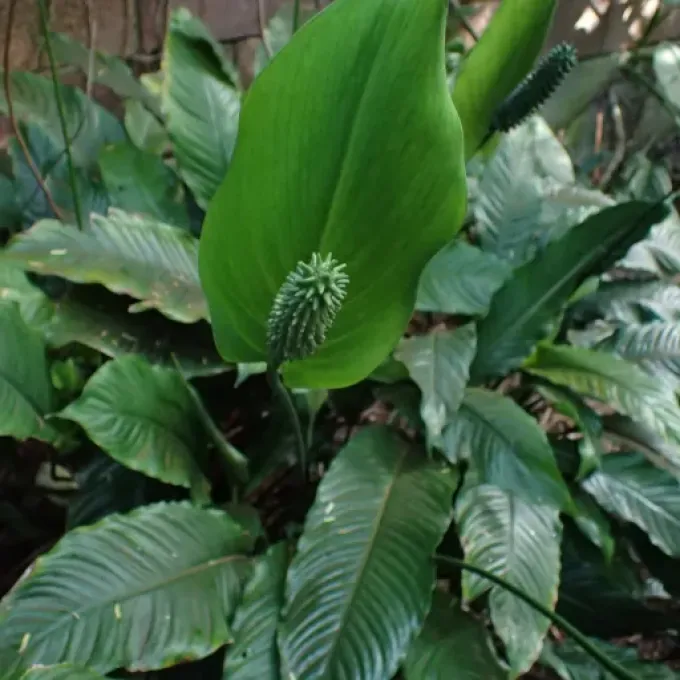
Description
Growing requirements
Spathiphyllum blandum is a perennial evergreen herbaceous plant belonging to the Araceae family. Native to the tropical rainforests of Central and South America, it thrives in environments characterized by high humidity, stable temperatures, and indirect, filtered lighting conditions.
The plant features lush, lance-shaped foliage arranged in a dense basal rosette. Its inflorescence, common to the genus, consists of a spadix and a white-to-greenish spathe. This species is highly valued for its elegant appearance and air-purifying qualities in indoor settings.
Optimal growth requires an ambient temperature between 20°C and 25°C. Exposure to cold drafts or temperatures below 15°C can cause the plant to enter dormancy or suffer from leaf chlorosis. It is vital to avoid placement near air conditioning vents or heaters.
The growing medium must be well-draining, rich in organic matter, and slightly acidic. A mix including peat moss, perlite, and pine bark is recommended. Proper drainage is essential, as the roots are sensitive to waterlogging and the subsequent development of anaerobic conditions.
Watering practices should balance consistent moisture with adequate aeration. The top layer of the soil should be allowed to dry slightly between waterings. Regular misting or the use of a room humidifier is recommended to maintain the high humidity levels favored by this species.
Main diseases and pests
The most common disease affecting Spathiphyllum blandum is root rot, typically caused by overwatering or poor drainage. This condition leads to wilting, yellowing foliage, and the eventual decay of the entire root system, making it essential to monitor soil moisture carefully.
Spider mites are the most prevalent pest, particularly in dry indoor climates. They colonize the underside of leaves, causing fine webbing and stippled yellowing patterns. Regular leaf cleaning and increasing humidity are effective ways to mitigate mite infestations.
Mealybugs and aphids may also pose a threat by feeding on plant sap. These pests can be managed through the application of insecticidal soaps or neem oil. Early detection is crucial, as these insects can multiply rapidly in warm, stable environments.
Nutrient deficiencies, specifically nitrogen or iron, can cause pale or yellow leaves. Providing a balanced, water-soluble fertilizer during the growing season is necessary to maintain vigorous health and vibrant foliage color, preventing most physiological disorders.
A comprehensive maintenance program includes periodic inspection of the foliage and root zone. Keeping the environment clean and ensuring good air circulation significantly reduces the risk of fungal pathogens and pest outbreaks, ensuring the long-term success of the plant.