
Spathiphyllum cochlearispathum
Spathiphyllum cochlearispathum
Description
Growing requirements
Spathiphyllum cochlearispathum is an ornamental plant species belonging to the Araceae family. This species is native to tropical habitats in Central and South America, thriving in shaded, humid environments.
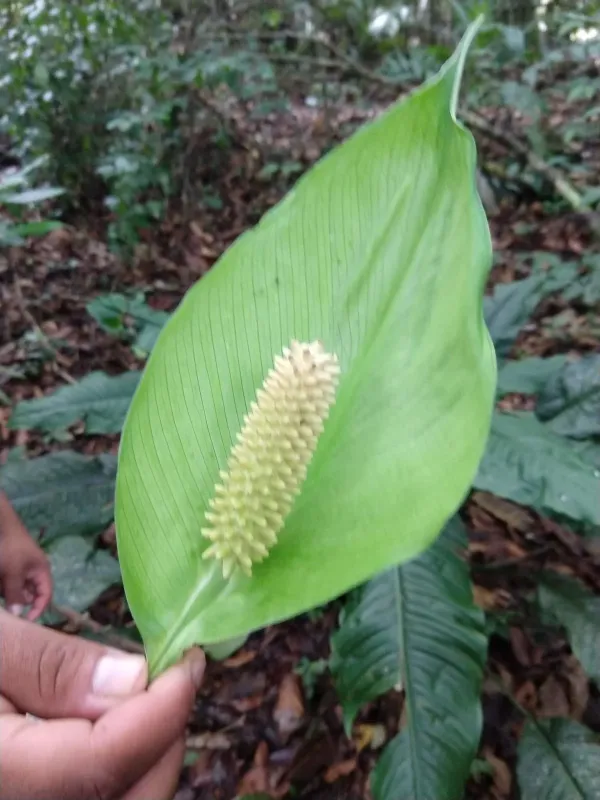
Botanically, it is characterized by large, glossy, dark green leaves and a distinct spoon-shaped spathe surrounding the spadix, which gives the plant its common name and specific epithet.
The plant requires high levels of ambient humidity and prefers a temperature range between 20 and 25 degrees Celsius. It is highly sensitive to cold drafts and should be kept away from air conditioning vents.
A well-draining, peat-based soil mixture is essential for this crop. It should be kept consistently moist but never waterlogged, as the root system is highly prone to asphyxiation in heavy, compacted soils.
Indirect light is optimal for growth, though the plant can tolerate low-light conditions. However, sufficient light is necessary to stimulate the production of the inflorescences that make this plant a popular horticultural choice.
Main diseases and pests
Common pests affecting this crop include spider mites, mealybugs, and scale insects. These pests thrive in environments with low humidity, making regular leaf cleaning an important maintenance practice.
Root rot, caused by various species of Phytophthora and Pythium, is the most common disease. This usually results from overwatering or inadequate soil drainage, which inhibits healthy gas exchange.
Anthracnose can also manifest as dark, necrotic spots on leaves. This fungal disease is typically triggered by prolonged moisture on the leaf surface combined with poor air circulation around the plant.
Yellowing of the leaves (chlorosis) often indicates nutrient deficiencies, specifically nitrogen or magnesium, or can be a symptom of extreme pH fluctuations within the growing medium.
Integrated pest management, including regular inspection and maintaining optimal environmental parameters, remains the best approach to ensure plant health and vitality.