
Sorbaria tomentosa
Sorbaria tomentosa
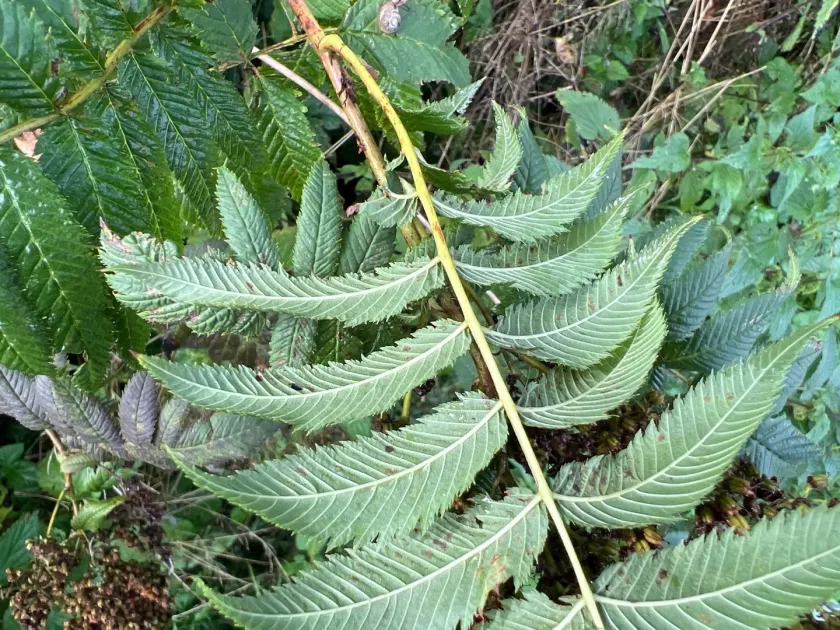
Description
Growing requirements
Sorbaria tomentosa, commonly known as woolly false spiraea, is an ornamental shrub belonging to the Rosaceae family. It is prized for its elegant fern-like foliage and the distinct tomentose (woolly) texture of its young stems and leaves.
The plant originates from the mountainous regions of Asia, specifically the Himalayas. Because of its native alpine habitat, it is exceptionally hardy and capable of thriving in cooler temperate climates, provided it receives sufficient moisture and proper site preparation.
For best results, this species should be planted in full sun to partial shade. It flourishes in moist, fertile, and well-drained soils. While it can adapt to various soil types, maintaining consistent soil moisture is crucial during the plant's establishment phase.
Agronomic management involves annual spring fertilization to support vigorous growth. Due to its suckering nature, the plant can spread quite rapidly, which makes it an excellent candidate for stabilizing embankments and preventing soil erosion.
In landscape architecture, it is widely used as a mass planting or as a structural hedge. Its ability to create dense cover makes it highly functional for large-scale landscaping projects, providing both aesthetic value and practical erosion control.
Main diseases and pests
Sorbaria tomentosa is generally robust, but it can be susceptible to common garden pests such as aphids and spider mites, especially during hot and dry summer spells. Regular monitoring of the foliage can help detect infestations early.
Powdery mildew represents the most significant fungal risk, particularly when the shrub is planted in areas with poor air circulation or high humidity. Managing plant density and ensuring proper pruning are essential practices to mitigate these risks.
Effective management strategies include cultural practices such as removing dead or damaged wood in late winter or early spring. This promotes better air movement through the branches, which significantly lowers the likelihood of fungal infections.
If chemical interventions are necessary, integrated pest management (IPM) guidelines should be followed. Applying targeted biological controls or appropriate pesticides can successfully manage pest populations while preserving the surrounding ecosystem.
Consistency in maintenance is the key to preventing outbreaks. By keeping the plant healthy through adequate water and nutrient supply, the shrub builds natural resilience against both biotic and abiotic stressors, ensuring longevity in any landscape.