
Sorbaria grandiflora
Sorbaria grandiflora
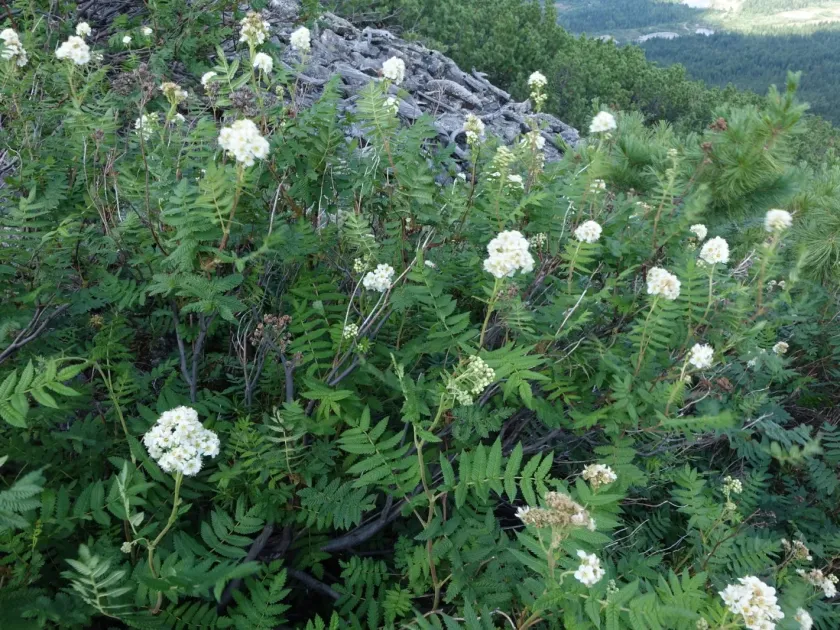
Description
Growing requirements
Sorbaria grandiflora, commonly known as a type of false spirea, belongs to the Rosaceae family. This deciduous shrub is highly valued in horticulture for its extreme cold hardiness and attractive foliage.
The plant originates from the mountainous regions of Eastern Siberia, the Far East, and parts of Japan. It typically grows in damp, rocky terrains and along river banks where moisture is readily available.
For successful cultivation, the plant requires moist, fertile soil with excellent drainage. While it tolerates a variety of soil types, a slightly acidic to neutral substrate provides the best results for vigorous growth.
It performs best in full sun, though it can tolerate partial shade. Proper light exposure is essential for maintaining a compact growth habit and ensuring that the large, feathery flower clusters develop fully.
Maintenance involves consistent watering during dry spells to keep the root zone hydrated. Applying an organic mulch layer helps retain moisture and regulate soil temperature throughout the growing season.
Main diseases and pests
Fungal diseases like powdery mildew are the primary threat, especially in humid and poorly ventilated conditions. Improving air circulation through proper pruning is the most effective preventative measure.
Aphids can frequently infest the soft, succulent growth of new shoots during the spring. Early detection and treatment with insecticidal soaps or systemic pesticides are necessary to prevent severe damage to the plant.
Spider mites can be problematic in dry and hot conditions. To prevent infestations, it is recommended to keep the plant well-watered and occasionally wash the foliage with water to discourage mite activity.
Leaf spots may appear if the plant is subjected to prolonged waterlogging or poor sanitary conditions in the garden. Keeping the area free of debris helps reduce the spread of spores.
Regular sanitation, including the removal of dead or crossing branches, is critical for plant health. Pruning should be performed early in the season to encourage healthy new growth before the onset of summer.