
Interspecific hybrid Solanum pimpinellifolium x Solanum habrochaites
Solanum pimpinellifolium x Solanum habrochaites
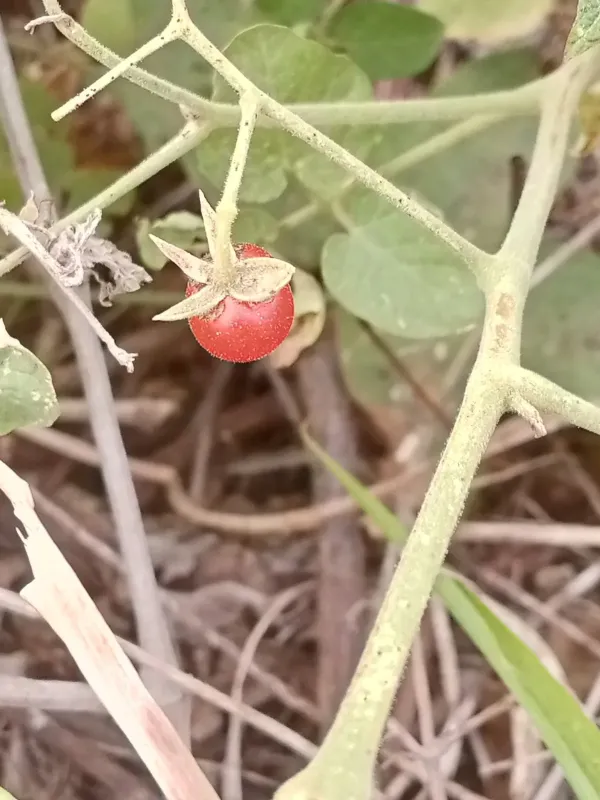
Description
Growing requirements
This interspecific hybrid belongs to the Solanaceae family and is primarily used in scientific breeding programs. It combines the genetic traits of Solanum pimpinellifolium and Solanum habrochaites, which are wild relatives of modern tomatoes originating from the Andes.
The hybrid requires high light intensity for optimal growth. Due to the influence of S. habrochaites, these plants exhibit cold tolerance and can perform better in lower temperature regimes than common commercial tomato varieties.
Soil requirements involve well-drained, nutrient-balanced substrates. The root system of this hybrid is highly vigorous, showing excellent nutrient uptake efficiency, which makes it a preferred parent for rootstock selection in grafted tomato production.
Cultivation practices in greenhouses involve intensive monitoring of vegetative growth. Because the hybrid inherits wild growth habits, it requires strict pruning to maintain a manageable structure and ensure proper aeration of the canopy.
Environmental control is essential, as the hybrid responds dynamically to changes in humidity and temperature. Consistent irrigation management is necessary to balance vegetative biomass production with the physiological needs of the plant.
Main diseases and pests
The hybrid is highly valued in modern agriculture for its inherent resistance to major tomato diseases, including late blight (Phytophthora infestans) and various fungal wilt pathogens like Fusarium.
One of the most notable features is the presence of glandular trichomes on the foliage. These structures produce specialized secondary metabolites that act as natural repellents against whiteflies, aphids, and spider mites.
Despite its natural hardiness, the plant may still be susceptible to specific viral infections if insect vectors are present in high densities. Maintaining a strict biosecurity protocol is recommended for all breeding facilities.
Root zone pathogens can pose a threat if the soil remains waterlogged. Avoiding high-moisture conditions at the root collar is a primary preventive measure against bacterial or fungal pathogens that could exploit tissue vulnerability.
General pest management involves integrated pest management (IPM) strategies, even though the hybrid possesses a strong biochemical defense system, ensuring the longevity and productivity of the breeding material.