
Demyanka
Solanum melongena x Solanum torvum
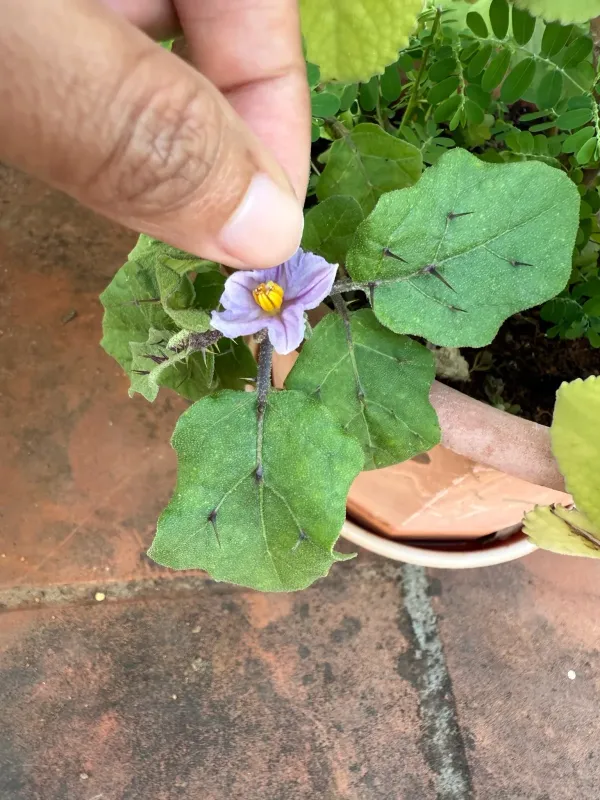
Description
Sowing dates
The sowing schedule for Demyanka rootstock must be carefully planned to precede the eggplant scion by at least 7–10 days. This timing ensures that the stem diameters of both plants are perfectly matched for grafting.
Seeds of this hybrid show high viability. They should be sown in individual cells or small pots using a light, sterilized growing medium to prevent seedling diseases.
Temperature management is crucial during the germination phase, requiring consistent warmth around 25–28 °C. Avoiding cold drafts is essential to maintain steady growth rates.
Supplemental lighting is often necessary for indoor seedlings to prevent hypocotyl elongation. Sturdy stems are a prerequisite for successful grafting procedures.
Once seedlings develop their first true leaves, they should be gradually acclimated to wider spacing to ensure air circulation and strong stem development.
Growing requirements
Demyanka is an interspecific hybrid of Solanum melongena and Solanum torvum, belonging to the Solanaceae family. It is specifically engineered to serve as a robust biological support system.
The core biological advantage of this rootstock is its exceptionally vigorous root system, which can thrive in nutrient-poor or pathogen-infested soils where standard eggplants would fail.
It thrives in well-drained, fertile soils with a slightly acidic to neutral pH. It is highly responsive to organic fertilization and prefers stable, warm environmental conditions.
The hybrid shows high tolerance to extreme heat, making it an ideal choice for growers in tropical and subtropical regions facing climate-related stress in their greenhouses.
By providing a resilient platform, Demyanka allows the grafted scion to focus energy on flowering and fruit set rather than on surviving environmental or soil-borne stresses.
Main diseases and pests
The primary advantage of using Demyanka as a rootstock is its natural resistance to root-knot nematodes, which are a major limiting factor in intensive eggplant production.
It provides significant protection against soil-borne pathogens such as Fusarium and Verticillium wilt, effectively neutralizing the risk of early crop collapse in affected areas.
While the rootstock is highly resilient, the grafted plants must still be monitored for common pests such as aphids, mites, and whiteflies during the growth cycle.
Proper sanitation in the greenhouse is required to prevent the introduction of viral diseases, which can affect the entire grafted plant regardless of rootstock strength.
- Implementing Integrated Pest Management (IPM) strategies.
- Ensuring proper tool sterilization during the grafting process.
- Monitoring soil moisture to avoid waterlogging and secondary root issues.