
Tomato
Solanum lycopersicum x Solanum pimpinellifolium
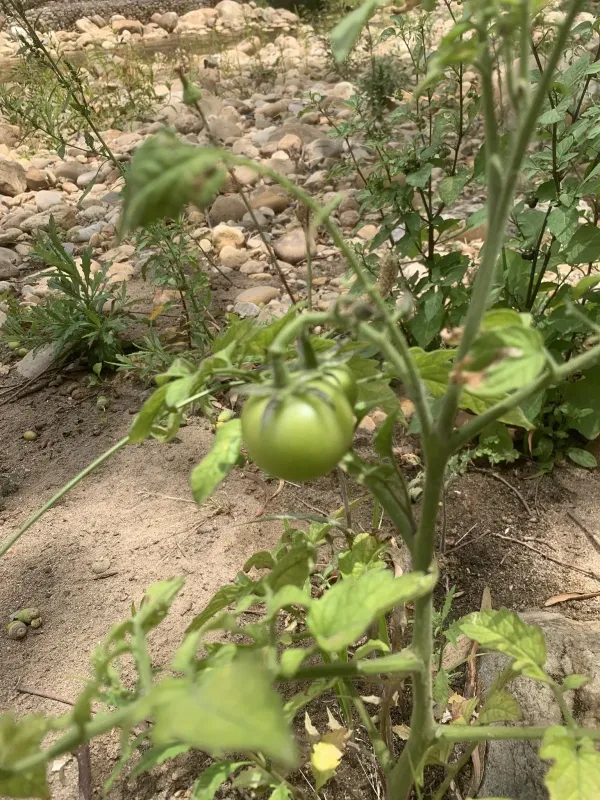
Description
Sowing dates
Tomato seeds are typically started indoors 6 to 8 weeks before the last expected frost date. Proper timing is crucial for ensuring the plants are well-established before moving them outdoors.
Seedlings should be grown in a sterile, well-draining seed-starting mix. Optimal germination requires a temperature between 22 and 25 degrees Celsius, kept consistent during the process.
Once true leaves appear, seedlings should be provided with ample light to prevent stretching. If natural light is insufficient, full-spectrum LED grow lights are highly recommended.
Transplanting seedlings into larger containers before moving them to the final garden bed helps build a strong root system. Deep planting is a common technique that encourages adventitious roots.
Hardening off is a vital step before outdoor transplanting. Gradually exposing young plants to outdoor conditions over a week reduces transplant shock and builds cuticle thickness.
Growing requirements
Tomatoes are members of the Solanaceae family and thrive in warm, sunny environments. They require at least 6 to 8 hours of direct sunlight per day to achieve maximum fruit production.
Soil should be rich in organic matter, loose, and well-draining. A slightly acidic pH between 6.0 and 6.8 is considered ideal for nutrient availability and healthy plant growth.
Watering consistency is the most important factor for success. Irregular moisture levels can cause blossom end rot and fruit splitting, particularly during periods of intense heat.
Temperature management is key for pollination. Daytime temperatures between 20 and 25 degrees Celsius are optimal; if temperatures exceed 35 degrees, pollen can become sterile.
Regular fertilization with a balanced NPK fertilizer, with increased phosphorus and potassium during the flowering stage, is essential for high yields and high-quality fruit.
Yield
The yield of a tomato plant depends on its variety and the growing environment. Determinate varieties produce fruit in a short window, while indeterminate varieties produce continuously.
Professional cultivation under protected structures or greenhouses can yield up to 15 kilograms per square meter, significantly surpassing the production rates of field-grown crops.
Pruning suckers and managing the canopy density are critical practices for maximizing airflow and sunlight penetration to the developing fruit clusters, which in turn boosts overall yields.
Pollination efficiency is a major yield factor. In greenhouses, bumblebees or mechanical vibration of flower clusters are often used to improve fruit set and ensure complete development.
Selecting disease-resistant hybrids is a proactive strategy to maintain high yields, as these plants can withstand common pressures that would otherwise damage standard varieties.
Main diseases and pests
Late blight is the most notorious disease for tomatoes, especially in wet, cool weather. Prevention involves maintaining good hygiene and applying protective fungicides when necessary.
Common pests include aphids, whiteflies, and spider mites. These pests not only damage the plant but can also serve as vectors for various destructive plant viruses.
Root-knot nematodes can be a significant issue in warmer regions, affecting the plant's ability to take up water and nutrients from the soil, leading to stunted growth.
Early blight and Septoria leaf spot are common fungal issues caused by leaf wetness. Mulching around the base of the plant helps prevent spores from splashing onto the leaves.
- Late blight
- Aphids
- Whiteflies
- Spider mites
- Bacterial spot
Harvesting
Harvesting should be done based on the intended use. For immediate consumption, tomatoes are picked at full maturity, while those for market are picked at the breaker stage.
Using sharp pruners to cut the stem just above the calyx prevents damage to the plant and ensures the fruit maintains its integrity during storage and transportation.
After harvest, tomatoes should be stored at room temperature away from direct sunlight. Refrigeration is generally avoided as it degrades the fruit's texture and flavor profile.
Late-season green tomatoes can be successfully ripened indoors in a controlled environment. Placing them in a paper bag with an apple or banana can accelerate the process.
Frequent harvesting encourages the plant to put energy into developing the remaining green fruit. It is important to remove damaged or rotting fruit immediately to prevent the spread of disease.