
Tomato
Solanum lycopersicum L. x Solanum peruvianum (L.) Mill.
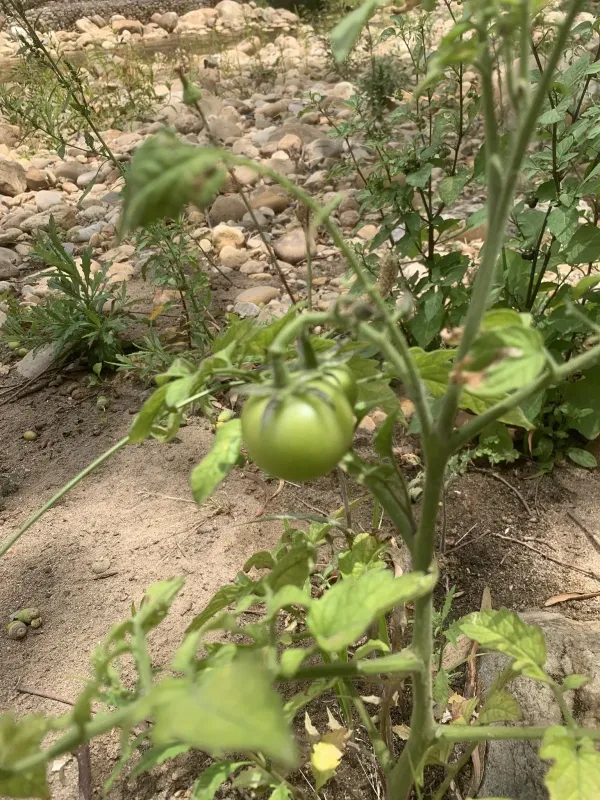
Description
Sowing dates
The sowing period for tomatoes typically begins 50 to 60 days before the anticipated transplanting date into the field or greenhouse. Accurate timing is crucial to ensure strong seedlings before the last spring frost.
Optimal germination requires a soil temperature of 22–25 degrees Celsius. Providing adequate light immediately after emergence prevents etiolation and ensures that the stems remain sturdy and thick.
The use of professional, well-draining sterile media is recommended to prevent damping-off diseases during the early stages of seedling development. Proper spacing between cells is vital for air circulation.
Transplanting into the garden should occur only when the soil has sufficiently warmed and air temperatures remain above 15 degrees Celsius at night. Hardening off the seedlings is a necessary step for success.
Varieties derived from Solanum lycopersicum x Solanum peruvianum crosses may exhibit unique growth vigor, requiring careful management during the nursery stage to ensure consistent field performance.
Growing requirements
Tomatoes thrive in full sun, requiring at least 6–8 hours of direct light daily. As members of the Solanaceae family, they are sensitive to temperature extremes which can inhibit flowering and fruit set.
Well-drained, fertile soil with a slightly acidic to neutral pH is ideal for tomato production. Soil preparation should include the incorporation of organic matter to improve structure and moisture retention.
Water management is critical throughout the growing season. Inconsistent irrigation often leads to physiological disorders such as blossom-end rot and fruit cracking, especially during rapid growth phases.
Proper ventilation is essential in controlled environments to prevent high humidity, which encourages the development of foliage diseases. Monitoring the microclimate helps maintain plant vigor.
Balanced fertilization is necessary for optimal yields. Applying nitrogen supports vegetative growth, while increased phosphorus and potassium levels are essential during the flowering and fruiting stages.
Yield
Crop yields vary depending on the growing system, variety, and management practices. Greenhouse production typically offers higher potential yields due to climate control and intensive care.
Pruning is a standard practice used to improve fruit size and quality. By training plants on a single or double leader system, growers can focus the plant's energy on producing marketable fruit clusters.
Pollination efficiency is a key factor in yield determination. Providing adequate conditions for pollen viability ensures proper fruit set, preventing empty or misshapen fruits throughout the harvest window.
The inclusion of wild traits from Solanum peruvianum in breeding programs has significantly improved stress tolerance, leading to more stable yields even under fluctuating weather conditions.
Effective weed management and pest monitoring directly contribute to total yield by reducing competition and maintaining the health of the photosynthetic canopy of the tomato plants.
Main diseases and pests
Late blight remains one of the most destructive diseases for tomatoes, causing rapid decay of foliage and fruit. Integrated pest management, including fungicide rotations, is essential for control.
Early blight, caused by Alternaria solani, commonly presents as concentric lesions on older leaves. Managing this requires strict sanitation practices and maintaining healthy plant vigor.
Pests such as whiteflies, aphids, and spider mites can inflict damage directly or act as vectors for viral pathogens. Regular scouting is required to prevent major infestations from developing.
Physiological disorders like blossom-end rot are often related to calcium deficiency triggered by water stress. Ensuring consistent moisture levels helps mitigate these common cultural issues.
- Implement strict crop rotation schedules.
- Ensure tools are sanitized regularly to prevent virus spread.
- Encourage beneficial insects for natural pest suppression.
Harvesting
Harvesting tomatoes at the appropriate maturity stage depends on the intended end-use. Tomatoes intended for fresh consumption are often harvested at the turning stage for optimal flavor.
When shipping is involved, harvesting at the light red or breaker stage is preferred to prevent damage during transit. The fruit will continue to ripen post-harvest in a climate-controlled setting.
To preserve quality, harvest during the cooler parts of the day. This minimizes heat accumulation in the fruit, which significantly extends shelf life and reduces the risk of post-harvest decay.
Careful handling is required during the picking process. Any puncture or bruise on the skin provides an entry point for opportunistic pathogens, leading to rapid deterioration of the crop.
Frequent harvests during the peak season are necessary to maintain plant productivity. Removing ripe fruit encourages the development of remaining green clusters, maximizing the overall production.