
Galapagos Tomato
Solanum lycopersicum L. x Solanum cheesmaniae (L. Ridley) Fosberg
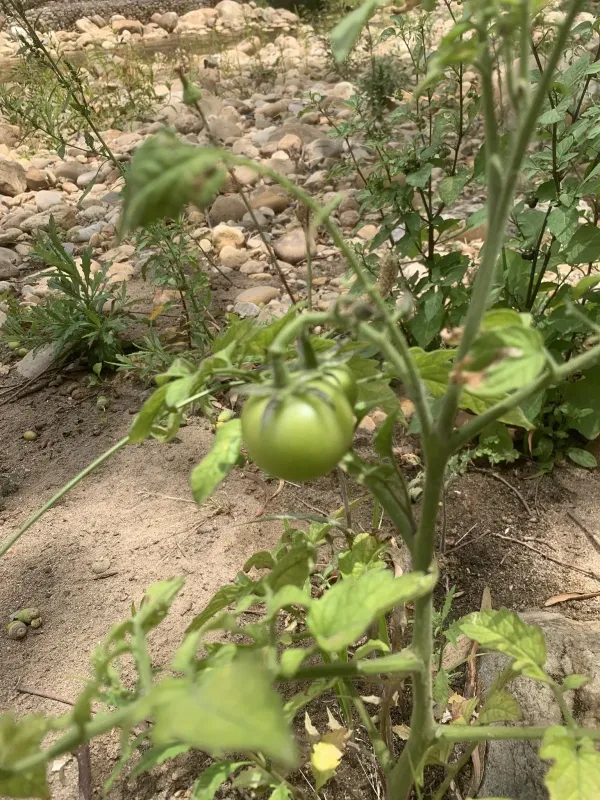
Description
Sowing dates
Sowing seeds of tomato hybrids based on Solanum cheesmaniae requires precise timing to ensure optimal growth before the transplanting phase. In greenhouse conditions, seeds are typically sown in early spring to utilize increasing daylight hours.
The substrate should be lightweight, sterile, and provide excellent drainage to prevent seedling damping-off. A depth of 0.5 to 1 cm is sufficient for consistent germination at temperatures between 22 and 24 degrees Celsius.
Once true leaves appear, seedlings should be moved to individual containers or plugs to provide enough space for root system development. Avoiding root constriction during this stage is essential for overall plant vigor.
Lighting is a critical factor for early-stage development. Using supplemental lighting in the nursery stage prevents leggy growth and helps establish a strong, stocky stem structure early on.
Gradual hardening of the seedlings before moving them to a permanent site helps the plants adjust to external environments, reducing transplant shock and promoting faster establishment.
Growing requirements
As a species with unique genetic traits from the Galapagos Islands, this plant is remarkably well-adapted to high light intensity. Adequate exposure to sunlight is crucial for maximizing photosynthetic activity and fruit quality.
The soil should be fertile and well-structured, ideally with a pH level between 6.0 and 6.8. A balanced supply of nitrogen, phosphorus, and potassium is required throughout the growing cycle for sustained development.
Consistent moisture management is necessary for these tomatoes. While they can handle some drought, stable water availability during fruit set is key to preventing physiological disorders like blossom end rot.
Greenhouse ventilation is of utmost importance. Proper airflow reduces the risk of humidity-related diseases and ensures that the internal temperature remains within the optimal range of 20–28 degrees Celsius.
Support structures like trellises or stakes are necessary to keep the foliage off the ground. Proper pruning of suckers improves light penetration and airflow through the canopy, which is vital for disease prevention.
Yield
Yield performance in hybrids derived from Solanum cheesmaniae is often characterized by high fruit counts. Although individual fruits are typically small, the sheer volume of clusters can lead to significant total production.
These tomatoes are prized for their intense flavor profiles and high sugar content. They are highly sought after in specialty markets where quality and taste are prioritized over fruit size.
Yield potential is maximized through precise fertigation strategies. Supplying targeted nutrients during the flowering and fruiting phases directly contributes to fruit size and overall plant stamina.
Managing fruit load by thinning excess clusters can help balance the plant's vegetative and reproductive growth, resulting in more uniform fruit development and higher quality harvests.
Sustainable cultivation practices, including the use of pollinators like bumblebees in greenhouses, can significantly increase fruit set rates and improve the uniformity of the harvest.
Main diseases and pests
Fungal pathogens such as early blight and late blight are primary threats, especially in humid conditions. Integrated pest management strategies, including the use of resistant varieties, are essential for mitigation.
Pests like spider mites and whiteflies can cause severe damage if left uncontrolled. Regular monitoring of the foliage and the use of beneficial insects are effective, eco-friendly control measures.
Viruses, such as the tomato mosaic virus, pose a significant risk as they can spread rapidly through mechanical contact. Strict sanitation of tools and clothing is required to prevent widespread infection.
Bacterial spots and wilts are also common in high-humidity environments. Maintaining a dry foliage surface and ensuring good airflow help to significantly reduce the incidence of these pathogens.
- Use of certified, disease-free seed stock.
- Regular inspection of leaves and stems.
- Implementation of a rigorous sanitation protocol.
- Crop rotation to minimize soil-borne pathogens.
Harvesting
Harvesting should be done with care to preserve the integrity of the fruit. For fresh market sales, tomatoes are often picked when they reach the breaker stage to ensure longer shelf life.
Timing the harvest is crucial to capture the full flavor profile. For home use or premium markets, allowing the fruit to ripen fully on the vine enhances sweetness and aromatic intensity.
After picking, it is recommended to keep the harvest in a cool, well-ventilated area. Rapid cooling helps to reduce the rate of respiration and extends the marketable period of the tomatoes.
Care should be taken during the handling and packing process to avoid mechanical bruising. Damaged skins can lead to rapid decay, as they are susceptible to opportunistic fungi and bacteria.
Sorting by size and maturity at the point of harvest allows for efficient logistics. High-quality packaging that allows for some airflow is essential to maintain fruit freshness during transit.