
Tomato
Solanum lycopersicum L. var. lycopersicum x Solanum betaceum Cav.
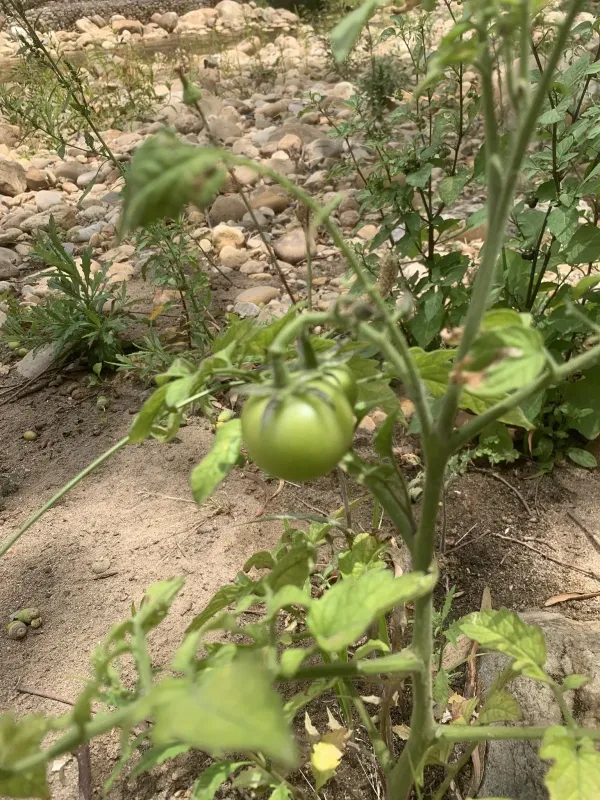
Description
Sowing dates
Tomato seeds are typically started indoors 6 to 8 weeks before the last expected frost date. Starting seeds in high-quality potting mix and providing adequate warmth, around 22–25 degrees Celsius, is essential for achieving a high germination rate and strong early growth.
Seedlings should be kept in a well-lit area or under grow lights to prevent them from becoming leggy. Once the first true leaves appear, seedlings are transplanted into individual pots, which promotes the development of a robust and branched root system.
Hardening off is a vital step before transplanting into the garden, which involves gradually exposing plants to outdoor conditions over a week or two. This process strengthens the plant's cuticle and reduces transplant shock, allowing for a smoother transition to the garden bed.
When sowing directly into the garden, soil temperature must reach at least 15 degrees Celsius. Direct sowing is most effective in warmer climates or when using protective cloches to maintain a stable microclimate for the germinating seeds during the unpredictable spring weather.
Spacing requirements vary depending on the variety, with indeterminate types needing more room for upward growth and stake support. A standard spacing of 45 to 60 centimeters between plants ensures sufficient airflow, which is critical for minimizing the risk of fungal leaf diseases.
Growing requirements
Tomatoes are sun-loving plants that require at least 6 to 8 hours of direct sunlight per day to thrive and produce flavorful fruit. Lack of adequate solar exposure can lead to weak, elongated stems and poor fruit set, which significantly impacts the harvest.
The ideal soil for tomatoes is rich, well-draining, and slightly acidic, with a pH balance between 6.0 and 6.8. Amending the soil with compost or well-rotted manure before planting provides essential nutrients and improves the moisture-retention capacity of the garden bed.
Watering needs to be consistent to maintain soil moisture levels and prevent physiological issues like blossom end rot. Drip irrigation systems are highly recommended as they deliver water directly to the roots while keeping the foliage dry, which helps reduce disease pressure.
Temperature management is key, as tomatoes are sensitive to extreme cold and excessive heat. Optimal daytime temperatures are between 22 and 26 degrees Celsius, and nighttime temperatures should ideally stay above 15 degrees to support continuous flowering and fruit development.
Crop rotation is an essential practice to maintain soil health and prevent the buildup of soil-borne pathogens. Avoiding planting tomatoes where other solanaceous crops like peppers or potatoes grew in the previous two seasons helps minimize recurring pest and disease cycles.
Yield
Total yield is heavily dependent on selecting the right variety for the specific climate and environment. Indeterminate varieties continue to grow and produce fruit throughout the season, whereas determinate varieties offer a concentrated harvest, making them ideal for canning.
Pruning and suckering are standard practices for many gardeners to improve fruit size and quality. By removing the small vegetative shoots that grow in the leaf axils, the plant can direct more energy toward the development of the fruit clusters on the main stems.
Nutrient management, particularly balanced fertilization, plays a crucial role in overall yield. Applying a fertilizer higher in phosphorus and potassium as the plants begin to flower supports strong fruit production, while excessive nitrogen can lead to lush foliage but fewer fruits.
Pollination is often aided by natural air movement or gentle shaking of the plant stems, especially in greenhouse environments where insect activity is limited. Ensuring high fruit set is a direct indicator of healthy plants and optimal growing conditions throughout the season.
Proper harvesting techniques, including regular picking of ripe fruits, signal the plant to continue producing more yields. By maintaining a clean, well-tended crop throughout the summer, gardeners can maximize their production potential until the first frost of autumn.
Main diseases and pests
Late blight is perhaps the most notorious fungal disease affecting tomatoes, capable of devastating a whole crop in just a few days under humid conditions. Management involves using resistant cultivars, ensuring good ventilation, and applying preventative organic fungicides.
Early blight, characterized by dark, concentric lesions on lower leaves, is also common during hot, humid spells. Good garden sanitation, such as removing fallen leaves and avoiding overhead watering, is crucial for limiting the spread of this pathogen within the garden.
Pests such as aphids, whiteflies, and spider mites can cause significant stress by feeding on plant sap. These pests not only weaken the plant but also serve as vectors for various mosaic viruses that can permanently stunt or kill infected tomato plants.
Tomato fruitworms and hornworms are common insect threats that directly attack the fruit and foliage. Regular manual inspection and the use of natural predators or Bacillus thuringiensis (Bt) sprays can help keep these populations under control without toxic pesticides.
Maintaining soil health and plant vigor is the best defense against threats. Healthy plants with strong immune systems are far more resilient to attacks, and practices like mulching can act as a physical barrier against soil-borne pathogens that splash onto leaves during rain.
Harvesting
The harvest timing is determined by the intended use and the degree of ripeness desired. For peak flavor, tomatoes should be picked when they are fully colored and slightly soft to the touch, indicating they have developed their full sugar and acid profile.
For storage or longer shipping distances, tomatoes can be harvested at the "breaker" stage, where they have just begun to change color. They will continue to ripen off the vine, maintaining good texture and flavor if kept at room temperature away from direct sunlight.
Careful handling is essential to prevent bruising and skin punctures, which are entry points for spoilage microbes. Using sharp garden snips to cut the stem just above the calyx helps keep the fruit intact and significantly extends its post-harvest shelf life.
Towards the end of the season, all remaining fruit should be harvested before the arrival of the first frost to avoid damage. Even green tomatoes can be used for culinary purposes, such as pickling, frying, or making various chutneys and preserves.
Storing harvested tomatoes correctly is vital for quality preservation. They should be stored in a cool, well-ventilated area rather than a refrigerator, as cold temperatures cause cellular breakdown, leading to a mealy texture and loss of the unique tomato aroma.