
Solanum linnaeanum
Solanum linnaeanum Hepper & P.-M. L. Jaeger
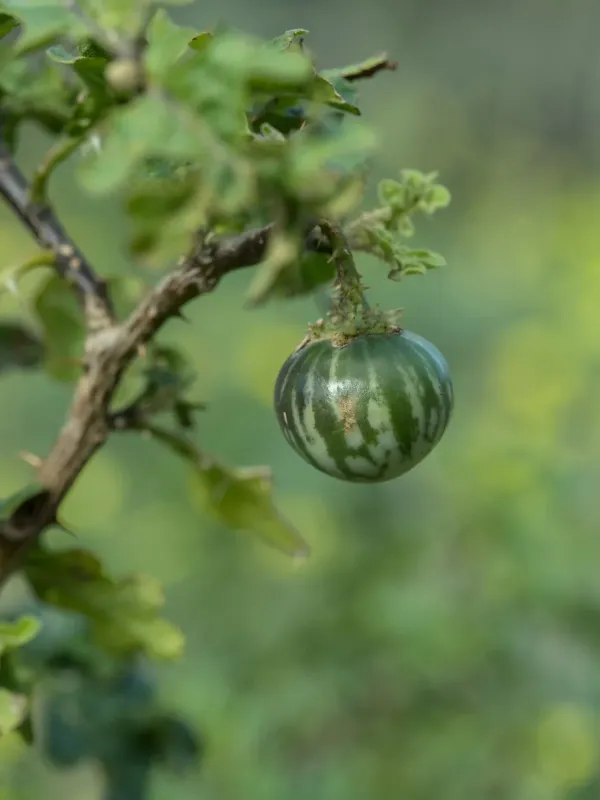
Description
Growing requirements
Solanum linnaeanum, commonly referred to as the devil's apple, is a perennial shrub belonging to the Solanaceae family. It is distinguished by its prickly stems and foliage, serving as an effective defense against herbivores.
Native to South Africa, this species has successfully adapted to various subtropical environments worldwide. Its ability to thrive in poor, sandy soils makes it a resilient plant that requires minimal soil preparation compared to other crops.
The plant demands full sunlight and a warm climate to complete its reproductive cycle. Temperatures ranging from 20 to 30 degrees Celsius are considered optimal for growth, and the plant is highly sensitive to frost damage.
Good soil drainage is critical to prevent root rot, as the species cannot tolerate waterlogged conditions. While it is quite drought-tolerant, supplemental irrigation during the initial establishment phase significantly improves plant vigor.
Given its toxicity due to high levels of solanine, the plant is typically managed as a weed or a botanical curiosity. In controlled environments, it requires careful handling to avoid accidental ingestion or injury from its sharp thorns.
Main diseases and pests
Common pests associated with this species include aphids and spider mites, which can proliferate rapidly during warm, dry periods. These insects feed on the plant's sap, weakening its overall structural integrity.
Fungal pathogens such as late blight pose a major threat, particularly in regions with high humidity levels. Once infected, the plant requires systemic fungicides to prevent total biomass collapse.
Root rot caused by Phytophthora species is a frequent issue in poorly drained soils. The development of wilted leaves and black stems often signals an advanced stage of root system decay.
Integrated pest management strategies are recommended, focusing on maintaining proper airflow and avoiding excessive nitrogen fertilization. Removing infested plant material is crucial to breaking the infection cycle.
Because the species is highly invasive in many regions, agricultural control involves the manual removal of the root crown before seed pods reach maturity to prevent further soil contamination.