
Chilean potato vine
Solanum crispum Ruiz & Pav.
Description
Growing requirements
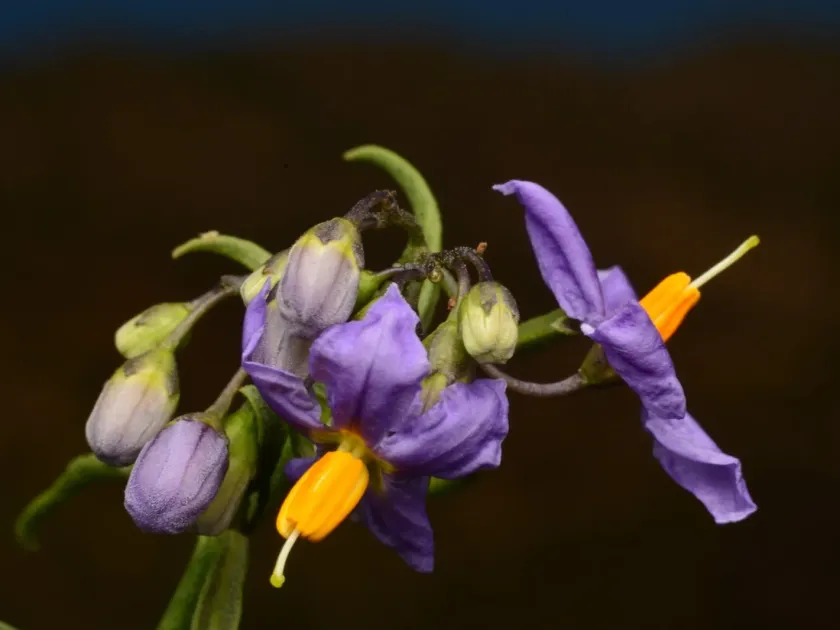
Chilean potato vine (Solanum crispum) is a semi-evergreen, woody shrub belonging to the Solanaceae family. Originating from Chile, this plant is widely cultivated in various temperate regions for its ornamental value and clusters of fragrant, violet-blue flowers.
The plant thrives in regions with mild winters and requires a sheltered position in full sun to partial shade. Protection from harsh, drying winds is crucial for maintaining the plant's health and ensuring its survival during the colder months of the year.
Soil requirements are centered on fertility and excellent drainage. While it can adapt to various soil types, waterlogged conditions should be strictly avoided as they lead to root stress and eventual decay of the root system.
Care practices include regular pruning to keep the plant within a manageable size and to encourage denser growth. Pruning is ideally performed after the flowering season, focusing on removing crossing or dead branches to ensure good light penetration.
During the growing season, moderate irrigation and occasional feeding with a balanced fertilizer promote vigorous growth. In cooler climates, the plant may require winter protection, such as mulching the base or covering the canopy during frost events.
Main diseases and pests
As a member of the Solanaceae family, Chilean potato vine is susceptible to common diseases, with late blight being one of the most serious. This condition is often exacerbated by high humidity levels and poor airflow around the foliage.
Pest management is an essential aspect of routine care. Aphids and spider mites are frequent visitors, especially during the warmer summer months when the plants are under slight heat stress. Vigilant inspection helps in early detection.
Powdery mildew can affect the leaves, creating a dusty white layer that hinders photosynthesis. This disease usually occurs when temperature fluctuations are significant or when the plants are grown in overcrowded conditions without adequate ventilation.
Whiteflies can become a persistent issue, particularly in greenhouse or sheltered conditions. Controlling their population requires a combination of cultural practices and, when necessary, appropriate chemical or biological interventions to avoid foliage damage.
Root rot remains a significant threat, primarily caused by inadequate soil drainage or over-watering. Maintaining a balanced soil moisture level is essential for preventing these issues and ensuring the long-term vitality of the shrub in the garden.