
Smithiantha zebrina
Smithiantha zebrina
Description
Growing requirements
Smithiantha zebrina is a perennial herbaceous plant species belonging to the Gesneriaceae family. Originating from the tropical rainforests of Mexico, this plant thrives in warm, humid microclimates characterized by filtered light and nutrient-rich, organic-heavy substrates.
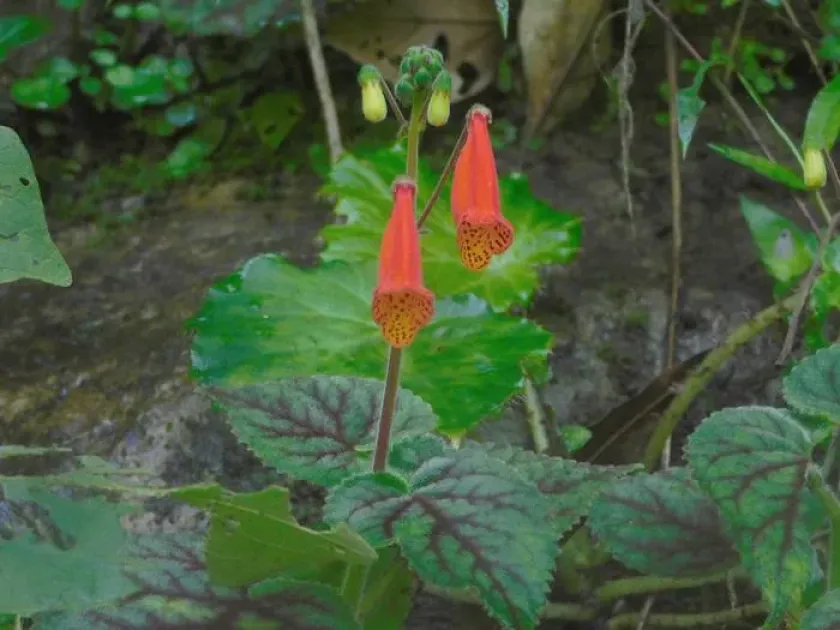
Botanically, the species is defined by its velvety, heart-shaped leaves that often feature dramatic dark markings or zebra-like patterns. Its growth habit is upright, culminating in long, raceme-like inflorescences of tubular, bell-shaped flowers that range in color from bright red to vibrant yellow.
Climate requirements involve maintaining temperatures consistently between 20°C and 25°C. As a tropical crop, it is highly sensitive to cold stress, and the rhizomes require a distinct dormant period in cooler temperatures once the foliage naturally yellows and dies back after the flowering cycle.
Soil management for this culture demands a highly porous, light medium. A mixture of peat moss, pine bark, and perlite provides the necessary structure to prevent compaction and ensures that the sensitive rhizomes have access to oxygen while maintaining constant, but not excessive, moisture.
Lighting should be bright and indirect to mirror the forest floor conditions of its natural habitat. Direct sunlight is detrimental to the plant's delicate foliage, causing bleaching and tissue death, whereas insufficient light leads to etiolated, weak stems that cannot support the weight of the blossoms.
Main diseases and pests
Root rot is the most significant threat to Smithiantha zebrina, typically caused by overwatering or poor drainage. Once the rhizomes become waterlogged, pathogenic fungi such as Pythium or Phytophthora can quickly destroy the plant's ability to absorb nutrients, necessitating strict irrigation control.
Spider mites are common pests that thrive in the low-humidity environments typical of domestic interiors. These pests pierce the cell walls of the leaves, leading to stippling and eventual leaf drop, which significantly reduces the photosynthetic capacity and overall decorative value of the plant.
Mealybugs represent another serious threat, often hiding in the dense, hairy leaf axils where they are difficult to spot until an infestation is well-established. Mechanical removal combined with systemic insecticides is usually required to manage these persistent sap-sucking insects effectively.
Botrytis cinerea, or gray mold, often affects the blooms and stems in poorly ventilated spaces. High humidity combined with cooler temperatures creates an ideal environment for this pathogen, which thrives on decaying organic matter and spreads rapidly across damaged plant tissues.
Fungal leaf spots can occur when water is allowed to pool on the foliage, creating entry points for opportunistic pathogens. Proper cultural practices, such as watering only the base of the plant and ensuring adequate air circulation, are the primary methods for preventing these common outbreaks.