
Smithiantha hybrids
Smithiantha hybrids
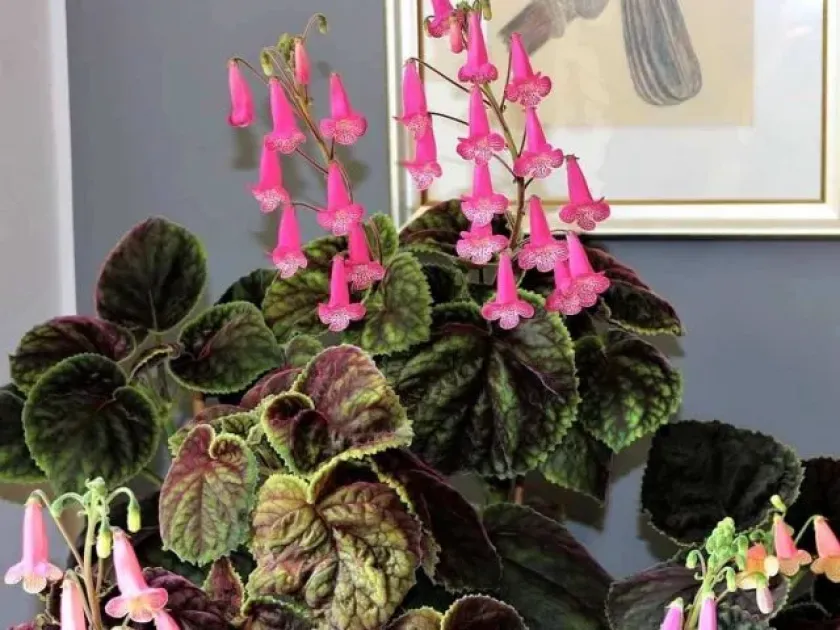
Description
Growing requirements
Smithiantha hybrids are distinctive ornamental plants within the Gesneriaceae family. They are characterized by their heart-shaped, velvety leaves and long, tubular flower clusters that emerge from the center of the plant during the active growing season.
The genus originates from the mountainous regions of Mexico, which dictates their need for specialized environmental conditions. They are typically cultivated as indoor potted plants or in climate-controlled greenhouse environments that mimic their natural habitat.
For successful growth, they require bright, indirect light. Direct sunlight can cause severe leaf scorch, while insufficient light leads to etiolated, weak stems that cannot support the weight of the flower clusters.
The growing medium must be highly porous and moisture-retentive but never soggy. A standard substrate mixture includes peat moss mixed with perlite or coarse sand to ensure that the rhizomes receive proper aeration throughout the vegetative cycle.
Temperature management is critical; the plants thrive in temperatures between 20°C and 25°C. Once the flowering period concludes, the foliage begins to decline, indicating the start of the dormancy phase, during which the plant relies on its rhizomes for energy storage.
Main diseases and pests
The primary threats to Smithiantha hybrids are fungal pathogens related to water management. Botrytis and root rot are prevalent when the potting medium is kept consistently wet or when water is splashed onto the foliage during irrigation.
Spider mites represent a significant pest concern, particularly when the ambient humidity is insufficient. These pests thrive in dry air, and early detection is vital to prevent the rapid collapse of the plant's succulent tissues.
Mealybugs are also problematic as they tend to congregate in the axils of leaves, making them difficult to target. Regular inspection and the use of insecticidal soaps or systemic treatments are effective methods of control for commercial growers.
To maintain plant health, it is essential to ensure adequate air circulation around the canopy. High humidity is beneficial, but it must be balanced with ventilation to prevent the onset of powdery mildew, which can quickly degrade leaf quality.
Disease prevention strategies prioritize strict sanitation practices, including the use of sterilized containers and fresh, pathogen-free growing media. During dormancy, keeping the rhizomes in a cool, dry, and clean environment prevents the development of storage rot.