
Smithiantha canarina
Smithiantha canarina
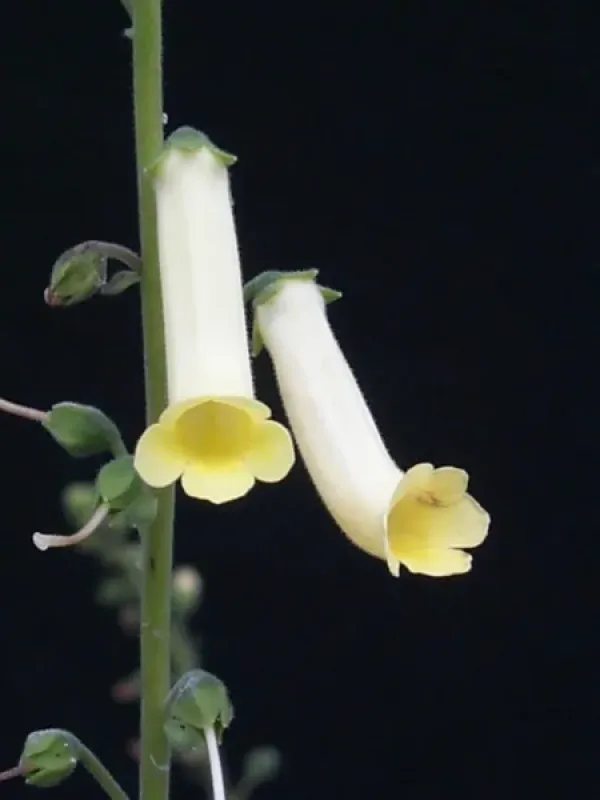
Description
Growing requirements
Smithiantha canarina is a captivating species belonging to the Gesneriaceae family. Native to the mountainous regions of Mexico, this rhizomatous plant thrives in humid, shaded forest environments where light is filtered through the canopy.
Botanically, it is known for its fuzzy, heart-shaped leaves and bright yellow, tubular flowers arranged in racemes. It requires a distinct dormant period when the aerial parts die back, leaving only the scaly rhizomes in the soil.
Optimal growth depends on bright, indirect light conditions. Placing the plant near a window with sheer curtains helps mimic its natural habitat, preventing leaf scorch while ensuring sufficient energy for flower production.
High air humidity is essential for Smithiantha. Utilizing pebble trays with water or professional humidifiers ensures the leaves remain lush and the flowers develop properly without becoming desiccated in indoor environments.
The substrate must be highly porous and well-draining. A mix of peat moss, perlite, and decomposed leaf mold creates the ideal airy structure for the delicate rhizomes to expand without the threat of waterlogging.
Main diseases and pests
The most common pest for this crop is the spider mite, which flourishes in dry, warm air conditions. Regular monitoring of the foliage and maintaining consistent humidity levels are the best preventative strategies against these invaders.
Mealybugs can also pose a significant challenge, hiding in the leaf axils or near the growing tips. Treatment with horticultural oils or insecticidal soap is often effective if the infestation is detected in the early stages.
Fungal infections, such as Botrytis, may affect the plant if moisture levels on the foliage remain high for too long without adequate airflow. Proper spacing between plants and good ventilation help reduce the risk of mold.
Rhizome rot is a primary cause of plant failure, typically linked to overwatering during the winter dormant phase. During this time, the soil should be kept barely moist to maintain the viability of the storage organs.
Overall plant health is highly dependent on proper sanitation practices. Removing dead or damaged leaves prevents the spread of pathogens and keeps the plant canopy healthy and robust against environmental stress.