
Robust apple
Malus x robusta (Carrière) Rehder
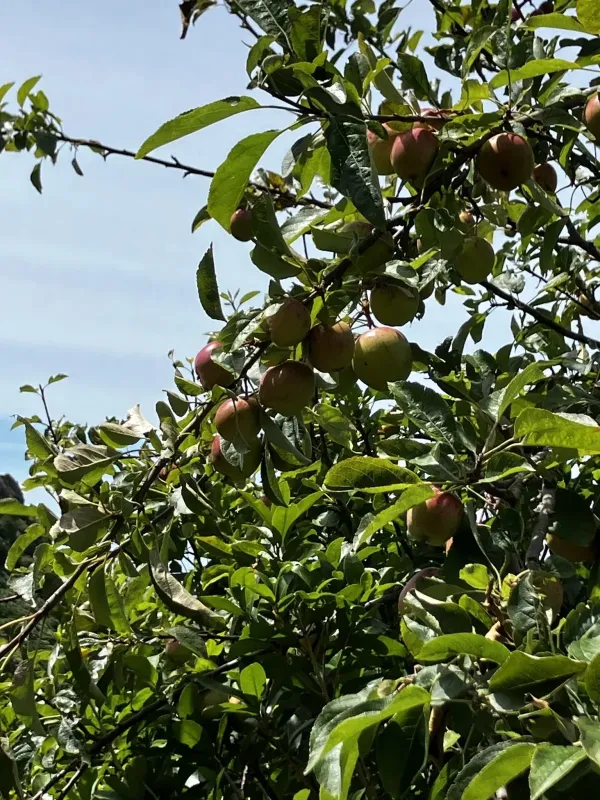
Description
Growing requirements
The robust apple (Malus x robusta) is a hybrid species within the Rosaceae family, widely recognized for its vigorous growth and exceptional structural integrity. It serves as a cornerstone in modern nursery practices due to its genetic resilience.
Botanically, the tree is known for its wide, spreading crown and a highly developed root system, which contributes to its reputation as a hardy species. It is a cross between M. baccata and M. prunifolia, inheriting the best traits of both parent species for cold hardiness.
This species thrives in a variety of soil types, preferring well-drained loamy soils that are rich in organic matter. While it is adaptable, avoiding areas with extreme waterlogging ensures the healthiest growth and root development for subsequent grafting purposes.
Agrotechnical management involves regular pruning to establish a strong central leader or structured framework. This process is essential when utilizing the plant as a rootstock, as it ensures that the grafted scion receives adequate nutrients for optimal fruit production.
The economic utility of Malus x robusta is vast, particularly in cold-climate fruit production. By providing a strong root system, it acts as a stabilizing agent for commercial varieties, significantly enhancing their ability to withstand harsh winters and variable environmental stressors.
Main diseases and pests
Robust apple exhibits a robust natural resistance to many common fungal diseases, such as apple scab and powdery mildew, which often devastate less resilient varieties. This intrinsic immunity reduces the reliance on systemic chemical interventions in nursery settings.
Despite its durability, the species may occasionally be susceptible to sap-sucking insects like aphids, which tend to congregate on tender new growth. Integrated pest management practices are recommended to monitor and manage these populations effectively during the spring season.
Fire blight is a significant threat that requires diligent observation and quick action. Any localized symptoms, such as wilting or scorched-looking leaves, necessitate immediate pruning and destruction of the infected material to prevent the spread to other parts of the plant.
Soil-borne pathogens are generally well-tolerated by this species, provided the growing site offers adequate soil aeration. Maintaining good orchard hygiene and minimizing compaction around the root zone helps prevent the development of opportunistic diseases.
Winter damage to bark caused by wildlife remains a critical factor for young trees. Implementing physical barriers, such as mesh guards or specialized wraps, is a standard and effective strategy for protecting the trunk during the dormant winter months.