
Leucanthemum maximum
Leucanthemum maximum (Ramond) DC.
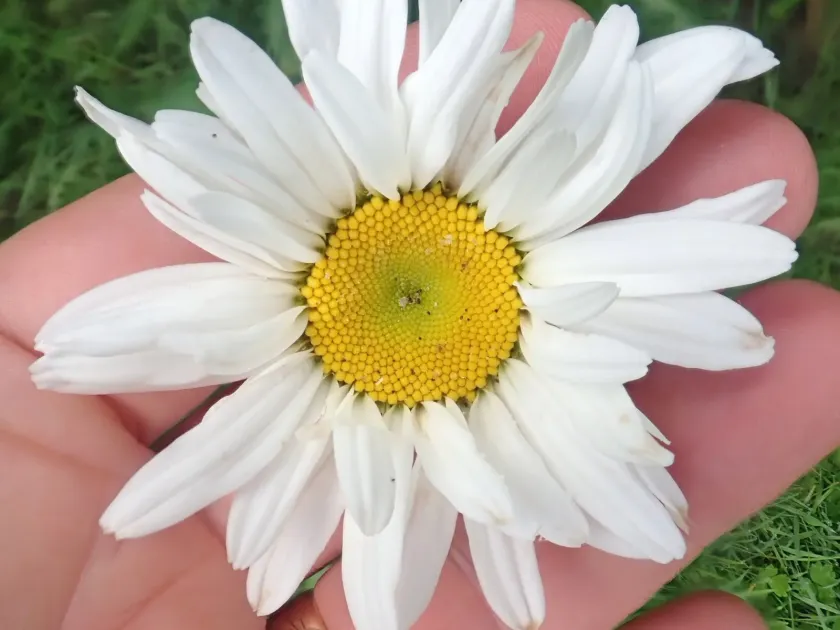
Description
Sowing dates
Leucanthemum maximum is typically propagated by seeds sown indoors in early spring, around March or April. Using a high-quality seed starting mix ensures optimal moisture retention and germination rates for the seedlings.
For direct outdoor sowing, wait until the danger of frost has passed in late spring. Seeds should be surface-sown or covered with a very thin layer of soil, as light exposure is beneficial for the germination process of these perennials.
Seedlings should be thinned or transplanted to their final location once they have developed a few true leaves. Planting them 30 to 40 cm apart allows for proper airflow and development of the mature, bushy habit characteristic of the species.
Vegetative propagation via root division is another highly effective method. Dividing the clumps every three to four years during the dormant period in spring or autumn helps maintain plant vigor and prevents center die-back.
As a member of the Asteraceae family, the plant establishes itself well when provided with consistent moisture during the initial establishment phase. Proper spacing is crucial to prevent the overcrowding that leads to poor health.
Growing requirements
This species thrives in full sun, which is essential for producing the sturdy stems and high volume of blooms required for commercial quality. Excessive shade often results in weak, leggy plants prone to lodging.
A fertile, well-draining soil is vital for the success of this crop. While it can adapt to various soil types, waterlogged, heavy clay soils are detrimental and should be avoided or amended with organic matter to improve structure.
The optimal pH range for growth is neutral to slightly alkaline. Soils that are too acidic should be amended with lime before planting to ensure the roots can effectively absorb essential nutrients from the substrate.
The plant demonstrates good cold hardiness, although it may benefit from light winter mulching in regions with harsh, dry winters. This practice prevents frost heaving of the roots during freeze-thaw cycles.
Fertilization should be consistent throughout the growing season. A balanced, slow-release fertilizer applied in early spring supports leaf growth, while phosphorus-rich feeds during the budding phase enhance flower color and size.
Yield
The yield of Leucanthemum maximum is quantified by the number of high-quality, marketable flower heads produced per plant. With optimal care, a mature plant can provide a prolific display of blossoms for several weeks.
Continuous harvesting or deadheading of spent blooms is a critical agronomic practice. By removing the old flowers, the gardener prevents seed formation and redirects the plant’s energy toward producing secondary flushes of blooms.
Peak productivity typically occurs from the second year onwards. By the fourth year, the plants may lose some productivity and show signs of exhaustion, indicating that it is time for division or replanting to sustain the yield.
Beyond cut flower production, the species serves as a valuable nectar source for pollinators, supporting the local ecosystem. This dual function makes it a beneficial component of diverse agricultural landscapes.
Marketing the blooms requires attention to post-harvest quality. Flowers must be harvested at the correct maturity stage to ensure that they maintain their structural integrity and beauty throughout the supply chain.
Main diseases and pests
Fungal diseases like powdery mildew are common in environments with high humidity and poor ventilation. Proper spacing and avoiding overhead irrigation are the best primary methods to mitigate these risks.
Root rots, particularly Fusarium, can occur in poorly drained soils. These pathogens can kill a plant quickly, making site selection and soil management the cornerstones of effective disease prevention strategies.
Pests such as aphids and plant bugs can cause significant damage to young foliage and developing flower buds. These insects weaken the plant and can transmit viral diseases, reducing the overall crop quality.
Integrated Pest Management (IPM) is recommended, utilizing targeted biological controls and, if necessary, registered insecticides. Early detection through regular field scouting is essential for effective treatment.
Sanitation is key to managing threats. Removing and destroying infected plant debris reduces the inoculum levels in the soil for the next season, contributing to a healthier crop environment over time.
Harvesting
Harvesting should occur in the cool hours of the early morning when the plants are fully turgid. Flowers should be picked when they are partially open, which ensures they last longer for the end consumer.
Using sanitized, sharp shears is mandatory to prevent crushing the stems or introducing harmful bacteria. A clean cut ensures that the vascular system remains intact, allowing for optimal water uptake in the vase.
Immediately place cut stems into clean water or a holding solution. Professional growers often use floral preservatives to inhibit bacterial growth and provide essential nutrients to the cut stems.
For seed production, allow the flower heads to remain on the plant until they become brown and dry. Harvest the seeds in dry weather to prevent molding and store them in a cool, dark, and dry location.
At the end of the season, cut back the remaining foliage to ground level once it has begun to yellow. This cleanup step aids in preparing the plant for dormancy and improves the aesthetic order of the field.