
Oxeye daisy
Leucanthemum vulgare Lam.
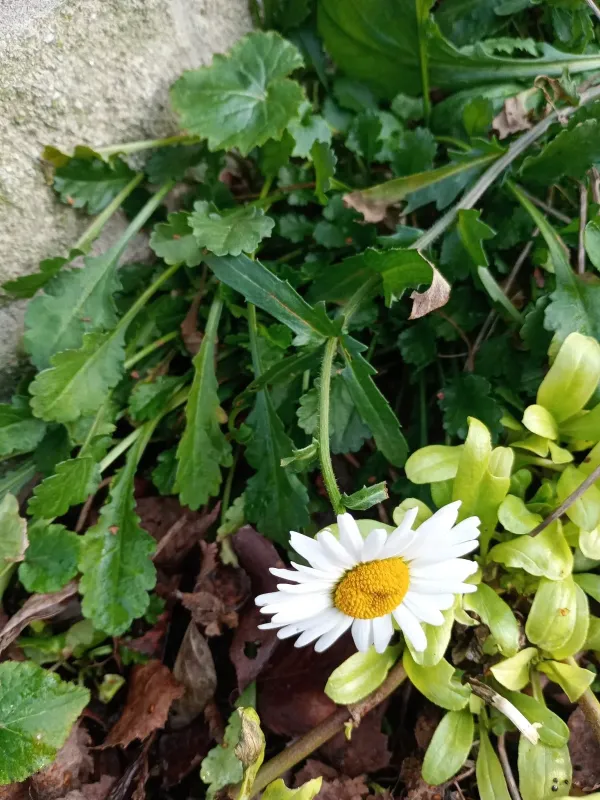
Description
Sowing dates
Leucanthemum vulgare, a member of the Asteraceae family, is typically propagated through seeds or by dividing mature established clumps.
Direct sowing in the field is best performed in early spring or late autumn, allowing the seeds to undergo natural stratification for improved germination.
When starting indoors, seeds should be sown in trays approximately 8 weeks before the last expected frost, ensuring temperatures remain moderate.
Seedlings develop a basal rosette during the first season and usually reach their full flowering potential in the second year of growth.
Spacing should be maintained at 30 to 45 centimeters between individual plants to promote adequate airflow and prevent overcrowding in beds.
Growing requirements
The crop thrives in full sun exposure, although it can tolerate light partial shade in regions with extremely hot summer temperatures.
Well-drained, moderately fertile soil with a neutral pH is ideal; the plant performs poorly in compacted, waterlogged, or heavily clay-based soils.
Watering should be consistent throughout the primary growing season, focusing on maintaining soil moisture without allowing the root system to drown.
Fertilization with a balanced, slow-release nutrient formula in early spring supports vigorous foliage development and subsequent abundant flowering.
Maintaining a weed-free environment during the early stages of growth is essential, as the species competes poorly with aggressive grasses.
Main diseases and pests
Powdery mildew is a common fungal threat, particularly in environments with high humidity and insufficient air circulation between the plants.
Pests such as aphids, leaf miners, and tarnished plant bugs can cause significant damage to the floral parts and photosynthetic leaf surface.
Management strategies involve regular monitoring, the use of insecticidal soaps for minor infestations, and applying fungicides when disease thresholds are met.
Root rot, often caused by Pythium or Phytophthora species, is a major concern when soil drainage is inadequate or irrigation is excessive.
Implementing a proper crop rotation plan and removing infested plant debris significantly reduces the overwintering population of pathogens and insects.
Harvesting
For commercial cut flower production, stems should be harvested when the outer ray florets are fully extended and the disk florets are just beginning to open.
Harvesting should occur in the cool hours of the early morning to minimize transpiration loss and maximize the vase life of the cut flowers.
Post-harvest care includes immediate placement in clean water and utilizing floral preservatives to ensure the longevity of the blooms during transport.
Deadheading faded blossoms throughout the season is highly recommended to redirect plant energy toward root reserves and potentially stimulate secondary flushes.
When harvesting seeds, the capitula must be collected after they turn brown and dry, followed by threshing and cleaning in a dry, ventilated area.