
Shasta daisy
Leucanthemum x superbum (Bergmans ex J. W. Ingram) D. H. Kent
Description
Sowing dates
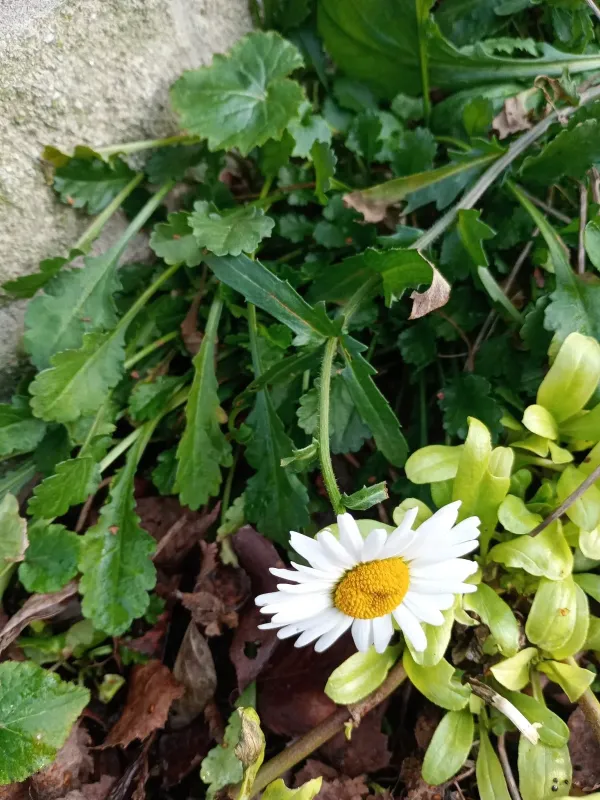
Shasta daisy (Leucanthemum x superbum) is a robust perennial hybrid within the Asteraceae family. It is widely cultivated for its ornamental value, characterized by large, white daisy-like flowers with yellow centers that appear on sturdy stems.
Seeds can be started indoors in early spring, typically 6–8 weeks before the last expected frost. The seeds require light to germinate, so they should be barely covered with a fine layer of seed-starting mix and kept consistently moist.
Direct sowing in the garden is possible once the soil has warmed up in late spring. This method is preferred in regions with mild climates, as it allows for strong root development without the stress of transplanting young seedlings.
Vegetative propagation via division is the standard industry practice for maintaining specific cultivars. Clumps should be lifted and divided in the spring or early autumn, ensuring each new section has adequate roots and healthy foliage.
Spacing is vital for healthy plant development; providing at least 30–45 cm between plants ensures sufficient airflow. This practice is essential to prevent the dense foliage from trapping moisture, which often leads to disease.
Growing requirements
Shasta daisies thrive in full sun conditions, which is critical for maximizing flower production and maintaining strong stem growth. Partial shade is tolerable, but it often results in leggy plants and fewer blooms.
The crop requires well-drained, moderately fertile soil with a neutral pH level. While they are tolerant of various soil types, they absolutely require excellent drainage to prevent crown rot during the dormant winter season.
Watering should be consistent throughout the growing season, especially during dry spells or high-temperature days. Soil moisture levels should be kept stable to avoid wilting, which can significantly reduce the quality of the flowers.
Nutrient management is straightforward; a balanced slow-release fertilizer applied in early spring is usually sufficient. Over-fertilization with nitrogen should be avoided, as it encourages excessive foliage at the expense of bloom production.
Maintenance tasks include regular weeding around the base of the plant to eliminate nutrient competition. Additionally, applying a layer of organic mulch helps retain soil moisture and regulate ground temperature throughout the summer.
Main diseases and pests
Powdery mildew is a common fungal issue, particularly in humid or stagnant air environments. Increasing plant spacing and improving garden sanitation are the best preventive measures to mitigate fungal outbreaks.
Aphids are frequent pests that congregate on the undersides of leaves and on developing flower buds. Horticultural oils or insecticidal soaps are highly effective for managing these populations before they cause visible damage.
Leaf spots caused by various fungi may appear during persistent wet weather. Ensuring that the foliage remains dry by using drip irrigation instead of overhead watering can significantly lower the risk of infection.
Crown rot is a major threat if plants are left in waterlogged soil for prolonged periods. Ensuring high-quality drainage is the single most important action a grower can take to prevent this lethal condition.
Slugs and snails can consume young foliage during damp spring weather. Implementing physical barriers like copper tape or crushed eggshells around the base of the plants can protect vulnerable new growth.
Harvesting
For cut flower production, harvest Shasta daisies when the flowers are partially open, with the ray petals fully extended. This stage ensures the best vase life and allows the flowers to continue opening gracefully.
Always use sharp, disinfected shears to make clean cuts at a 45-degree angle. This prevents tissue crushing and reduces the likelihood of bacteria entering the stem, which can shorten the vase life significantly.
Immediately place cut stems into clean containers filled with fresh, cool water. Storing them in a cool, shaded environment before transport is crucial for maintaining the quality and freshness of the cut flower bunches.
Deadheading spent blooms throughout the season is essential for continuous flowering. By removing the fading heads, the plant is encouraged to redirect energy into producing secondary stems and new buds.
End-of-season maintenance involves cutting back the dead foliage to near ground level after the first frost. This clean-up process helps prepare the plant for winter dormancy and simplifies the starting of the next growing cycle.