
Creeping daisy
Leucanthemum paludosum (Poir.) Bonnet & Barratte
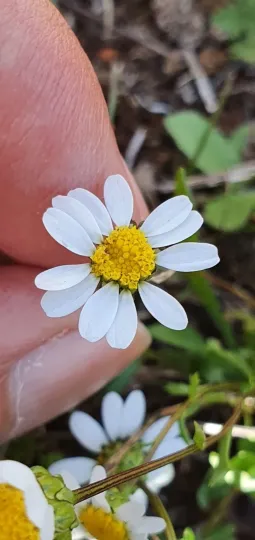
Description
Sowing dates
Sowing of Leucanthemum paludosum seeds typically takes place in early spring, indoors, to provide a head start for the upcoming summer season.
The seeds require light to germinate, so they should be sown on the surface of the growing medium without covering them with a thick layer of soil.
Maintain a consistent temperature of around 18–20 degrees Celsius to ensure uniform germination across the seedling tray.
Once the threat of frost has passed, seedlings can be transplanted into the garden, provided they have been properly hardened off beforehand.
Direct sowing in outdoor beds is also a viable option in milder climates, provided the soil is loose and free from competing weeds.
Growing requirements
As a member of the Asteraceae family, the creeping daisy flourishes in full sun, which is essential for producing abundant and vibrant flowers.
This species is well-adapted to moist soil conditions, mimicking its native habitats, yet it requires excellent drainage to prevent root issues.
Regular fertilization with a balanced, slow-release fertilizer during the growing season supports healthy foliage and continuous blooming.
The plant performs best in neutral to slightly alkaline soil types, which helps in the efficient uptake of essential microelements.
Spacing between plants should be managed to ensure adequate air circulation, which prevents humidity-related issues in dense plantings.
Main diseases and pests
Powdery mildew is the most common fungal disease affecting the creeping daisy, often triggered by fluctuations in temperature and humidity.
Pests such as aphids and spider mites can cause significant damage to the plant by feeding on the sap, leading to stunted overall growth.
Effective management involves maintaining healthy growing conditions, which naturally improves the plant's resistance to minor pest outbreaks.
Root rot remains a primary concern in waterlogged soils, making soil aeration and proper site selection crucial for plant longevity.
Integrated pest management strategies, including the removal of infected plant parts, help preserve the beauty of the floral display throughout the year.