
Leucaena diversifolia
Leucaena diversifolia (Schltdl.) Benth.
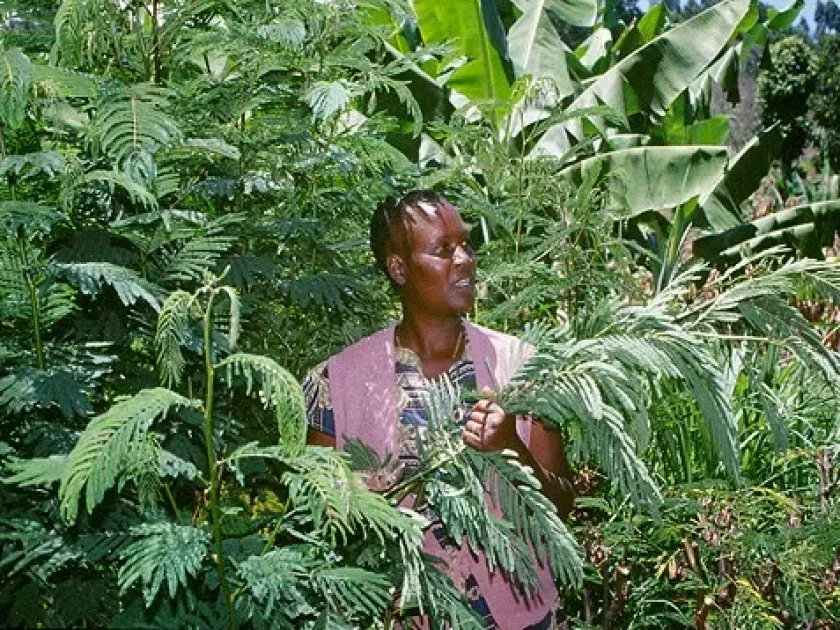
Description
Sowing dates
Sowing Leucaena diversifolia is best timed with the start of the rainy season to ensure optimal soil moisture levels for seed germination and seedling establishment.
Seeds must undergo scarification, such as hot water treatment or mechanical abrasion, to overcome the physical dormancy of the hard seed coat.
Row planting is standard practice, with spacing adjusted based on whether the primary output is foliage for fodder or woody biomass for fuel.
The seeding depth should be kept shallow, typically around 2 to 3 centimeters, to facilitate emergence while protecting the seed from drying out.
Proper field preparation, including the removal of competitive grasses, is crucial for the success of young plantations during their initial growth phase.
Growing requirements
Leucaena diversifolia is a member of the Fabaceae family, native to the tropical regions of Mexico and Central America, known for its rapid growth.
Unlike many other Leucaena species, this tree is well-adapted to acidic soils and can thrive in diverse environmental conditions across tropical highlands.
The plant requires ample sunlight for vigorous growth and performs best in well-drained soils, although it has a moderate tolerance for waterlogged conditions.
It acts as a potent nitrogen-fixing agent, which helps improve the nitrogen status of the surrounding soil through its symbiotic relationship with rhizobia bacteria.
Temperature range is critical, and while it prefers warm climates, it displays better cold tolerance than its close relatives, making it suitable for cooler latitudes.
Yield
The species is highly productive as a forage crop, yielding nutritious, high-protein foliage that is palatable and digestible for various livestock species.
Annual yields of dry matter can be significant, often reaching double-digit tonnage per hectare in well-managed high-density stands.
Besides forage, the tree provides a reliable source of fuelwood due to its dense wood structure and ability to regenerate quickly after coppicing.
Biomass production remains consistent throughout the year in tropical regions, provided the moisture supply is sufficient to support active growth.
The long-term yield of the plantation is supported by the tree's deep root system, which allows it to access deeper moisture and nutrient reserves.
Main diseases and pests
The psyllid insect (Heteropsylla cubana) remains the primary pest challenge, capable of causing defoliation and reduced growth vigor if left unmanaged.
Fungal pathogens may cause root rot or leaf spots if the site lacks proper drainage or if planting density leads to excessive humidity within the canopy.
Weed competition is a significant threat during the seedling stage, requiring mechanical weeding or mulching to ensure the trees are not smothered.
Integrated pest management strategies, such as biological control and selecting resistant genotypes, are essential for maintaining plantation health.
Regular monitoring of canopy density is recommended to prevent the buildup of pest populations and to facilitate adequate airflow among the plants.
Harvesting
Forage harvesting through repeated cutting encourages lateral branching, which increases the total amount of available edible leaf material for livestock.
Cuts should be performed at a height that allows the plant to recover quickly, ensuring that enough photosynthetic tissue remains for regrowth.
Wood harvesting follows a coppice management system, where stems are harvested every few years to ensure a sustainable supply of poles or fuelwood.
Seed pods should be harvested when they turn brown and brittle, ensuring that the seeds are fully mature before storage to maintain high viability.
Post-harvest handling is vital; forage should be processed immediately by drying or ensiling to prevent nutrient loss and spoilage by fungi.