
Zelebor's Houseleek
Sempervivum zeleborii
Description
Growing requirements
Zelebor's houseleek (Sempervivum zeleborii) is a perennial succulent plant belonging to the Crassulaceae family. It is native to the rocky and mountainous regions of the Balkan Peninsula, where it has evolved to thrive in nutrient-poor and harsh environmental conditions.
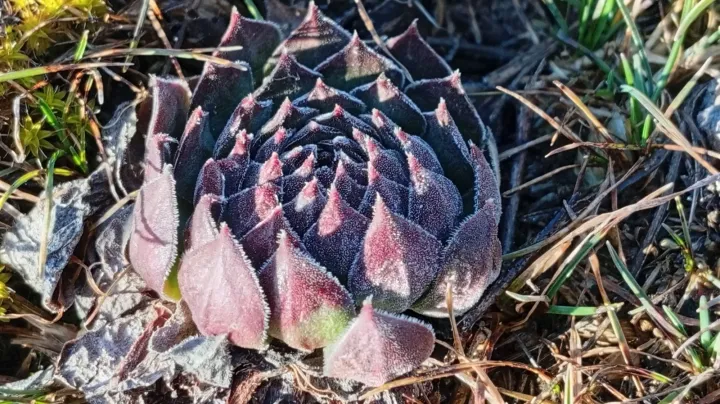
Botanically, the plant is characterized by its compact, fleshy rosettes composed of succulent leaves designed to store water. These adaptations allow the plant to withstand extended periods of drought and high solar radiation, which are typical of its natural mountainous habitat.
The agronomic requirements for this species include exceptionally well-drained soils. A mix consisting of grit, sand, and minimal organic matter is preferred to mimic the plant's native rocky terrain and prevent any potential issues with root rot due to moisture retention.
The species is highly resilient to temperature extremes, making it suitable for a wide range of climatic conditions. It requires full sunlight to maintain its structural integrity; in low-light environments, the plant tends to lose its compact form and vibrant leaf coloration.
In terms of agricultural and horticultural use, Zelebor's houseleek is primarily utilized for ornamental purposes. It is a staple plant for rock gardens, xeriscaping, and green roof projects due to its low maintenance needs and ability to stabilize soil on slopes.
Main diseases and pests
The primary threat to Zelebor's houseleek is excessive soil moisture, which inevitably leads to fungal pathogens and root rot. Maintaining an environment that ensures rapid water drainage and good air circulation around the rosettes is crucial for the plant's longevity.
Common pests include mealybugs, which tend to infest the dense foliage and consume the plant's sap. Aphids and root aphids can also become an issue, particularly if the substrate remains too damp, creating a hospitable environment for these insect populations.
Gastropods, such as slugs and snails, are significant threats as they physically consume the succulent leaves, ruining the plant's aesthetic value. Physical barriers and regular monitoring are recommended to prevent extensive damage during the growing season.
Preventive maintenance involves the immediate removal of dead leaves from the base of the rosettes to discourage the growth of mold and mildew. Proper spacing during planting is essential to ensure that each rosette has adequate exposure to airflow and sunlight.
Fertilization should be handled with extreme caution, as high levels of nitrogen cause the plants to grow rapidly and lose their hardiness. A balanced, low-nitrogen fertilizer should be applied sparingly, if at all, to keep the plants compact and resistant to disease.