
Sempervivum kosaninii
Sempervivum kosaninii
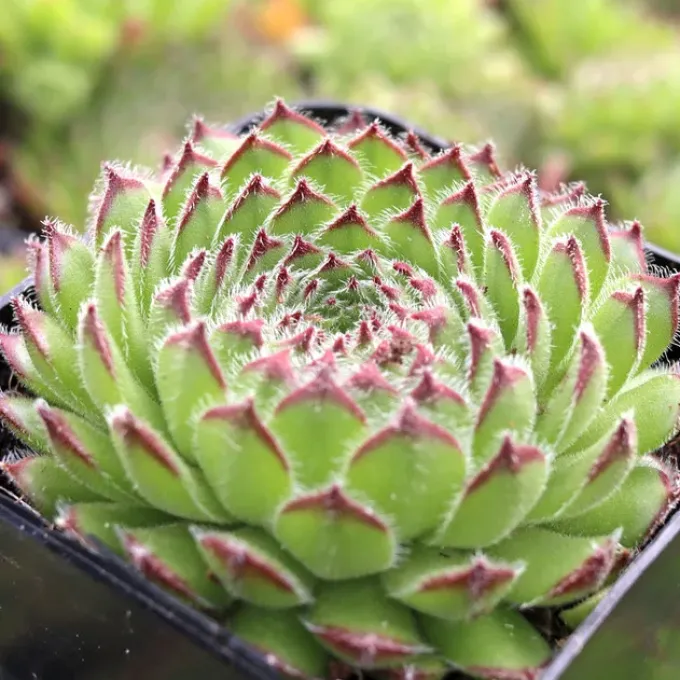
Description
Sowing dates
Propagation of Sempervivum kosaninii is most commonly achieved through the removal of offsets, commonly referred to as "chicks." This process is best performed during the spring months when the plant begins its active growth phase.
To propagate, gently detach the small daughter rosettes from the parent plant and place them on top of a well-draining substrate. They will develop their own root systems quickly without the need for deep planting.
Seed propagation is possible but requires patience and precision. Seeds should be sown on the surface of a sandy, sterile mix during late winter and placed in a location with bright, indirect light.
During the rooting phase, ensure that the substrate remains slightly moist but never waterlogged. Once the plants reach a significant size, they can be transplanted to their permanent location in the garden.
When planting, ensure adequate spacing between rosettes to allow for proper airflow and development. This encourages the formation of a dense, healthy carpet of succulent rosettes.
Growing requirements
Sempervivum kosaninii, a member of the Crassulaceae family, is a perennial succulent native to the Balkan Peninsula. It is highly valued for its rosette shape and ability to thrive in challenging, rocky environments.
The plant requires full sun exposure to maintain its compact growth habit and vibrant leaf coloration. Insufficient light causes the rosettes to etiolate, making them fragile and prone to diseases.
Soil requirements are strict: the medium must be highly porous and gritty. A mix of sand, grit, and low-nutrient soil is ideal to mimic the natural rocky cliffs where this species originates.
This species is exceptionally drought-tolerant and hardy. In most temperate zones, it does not require supplemental watering unless conditions are extremely arid for an extended period.
Fertilization should be avoided or kept to a bare minimum. Excess nutrients lead to rapid, weak growth that reduces the plant's natural resistance to cold and environmental stress.
Main diseases and pests
The most significant threat to Sempervivum kosaninii is root rot caused by poor soil drainage or excessive moisture. Always ensure the planting site is elevated or sloped to prevent water from pooling around the base.
Mealybugs and aphids are the primary pests that can infest the rosettes. Regular inspections and immediate manual removal or treatment with horticultural oil are usually sufficient to control outbreaks.
Gastropods, such as slugs and snails, can damage the fleshy leaves. A layer of sharp gravel around the base of the plant acts as a natural deterrent, preventing these pests from reaching the succulent tissues.
Fungal infections, often manifesting as dark, soft patches on the leaves, thrive in humid conditions. Improving air circulation around the plants is essential for maintaining a healthy collection.
To prevent disease spread, avoid overhead watering, which keeps the crown of the rosette wet for too long. Always water at the base of the plant during the cooler parts of the day if irrigation is necessary.