
Sempervivum hybrids
Sempervivum hybrids
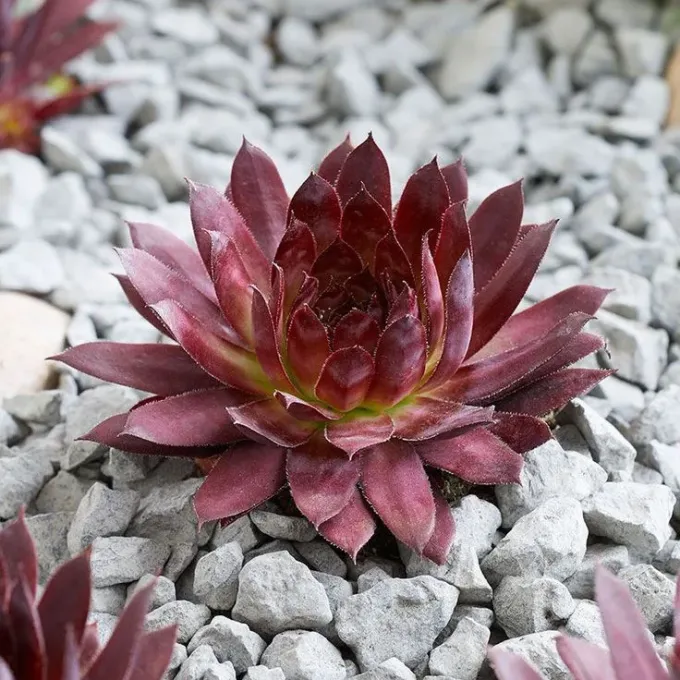
Description
Sowing dates
Propagation of Sempervivum hybrids is most efficiently achieved through the detachment of offshoots, commonly known as chicks, from the parent plant. The ideal time for this process is during the active growing season in spring or early summer.
Seed propagation is primarily used by breeders to develop new cultivars. Seeds should be sown on the surface of a light, sandy substrate; they require exposure to light to germinate properly and should not be buried deeply.
When detaching offshoots, ensure they include a portion of the stolon. These can be planted directly into prepared soil, leaving sufficient space between them to allow for the natural spread of the colony.
It is best to perform planting during dry weather to prevent the freshly cut areas from rotting in damp soil. Once planted, the offsets require light watering until they establish a firm root system.
Planting density varies by variety, but a standard recommendation is to place 10 to 20 plants per square meter to achieve a thick, mat-forming carpet effect.
Growing requirements
Sempervivum hybrids belong to the Crassulaceae family and are highly resilient, drought-tolerant succulents. They are popular choices for rock gardens, alpine displays, and decorative containers.
These plants thrive in full sun and require well-drained soil to prevent root rot. If the soil is heavy or clay-based, adding a drainage layer of gravel or sand is essential for the plant's health.
The plants are extremely hardy and capable of surviving significant temperature fluctuations. They do not require regular watering, as they store moisture efficiently within their fleshy leaves arranged in tight rosettes.
Sempervivum is not demanding regarding soil fertility. In fact, over-fertilizing can lead to weak, elongated growth that compromises the plant's aesthetic shape, so it should be avoided.
Botanically, they are low-growing perennials with shallow root systems, making them perfect for planting in crevices, stone walls, or areas with minimal soil depth.
Main diseases and pests
The most significant threat to Sempervivum hybrids is excessive soil moisture, which quickly leads to crown and root rot. If the soil remains soggy, the plant tissue will lose turgor and darken rapidly.
Poor ventilation combined with high humidity can encourage fungal outbreaks. Regular maintenance, such as removing dead leaves from the center of the rosette, helps maintain airflow and health.
Pests like mealybugs or aphids may occasionally infest the plants, particularly in crowded conditions. If necessary, gentle systemic or contact insecticides can be used to control these outbreaks.
Slugs may occasionally feed on the leaves during damp periods. Protecting the area with grit or physical barriers can effectively discourage these mollusks from damaging the succulent rosettes.
Overall, maintaining proper drainage and ensuring a sunny, airy location are the best strategies to keep Sempervivum healthy and free from disease.