
Sedum praealtum
Sedum praealtum
Description
Sowing dates
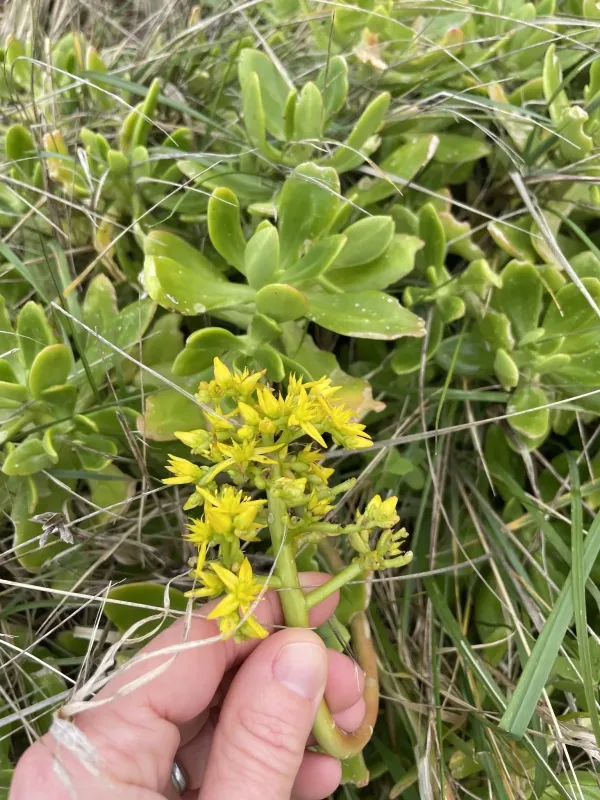
Sedum praealtum, a member of the Crassulaceae family, is a robust, evergreen succulent shrub native to the rocky landscapes of Mexico. In agricultural and horticultural contexts, it is primarily propagated through stem or leaf cuttings rather than seeds due to higher success rates and faster maturity.
To propagate, healthy cuttings should be allowed to callus for a few days in a shaded area to prevent rotting before being placed in a well-draining succulent-specific growing medium. This practice ensures a stronger root system and reduces the risk of pathogens entering the stems.
The optimal time for taking cuttings is during the active growth season, typically late spring or early summer. High humidity should be avoided during the initial rooting phase, as succulent tissues are susceptible to rapid decay when exposed to excess moisture without established roots.
Once roots are established, the young plants can be moved into larger containers or transplant sites. They maintain a steady growth rate, eventually forming a thick, shrub-like structure that is highly valued for xeriscaping and decorative ground cover.
Seed propagation is possible but slow and rarely practiced for commercial production of Sedum praealtum. The focus remains on vegetative cloning to ensure the consistency of the plant's structural characteristics and growth habits.
Growing requirements
As a sun-loving species, Sedum praealtum thrives in bright, direct sunlight. If grown in low-light conditions, the stems tend to become etiolated, weak, and sparse, losing the dense, attractive foliage that characterizes healthy, thriving specimens.
The plant requires a fast-draining substrate, such as a mixture of gritty sand, pumice, and potting soil. It is highly intolerant of waterlogged soil, which quickly leads to root rot, the primary cause of mortality in this species during cultivation.
Temperature management is crucial; although it can withstand mild fluctuations, it is not frost-hardy. In temperate regions, it should be protected from temperatures below 5°C (41°F) to prevent cellular damage caused by freezing moisture in its leaves.
Watering should follow a soak-and-dry approach: wait until the soil has completely dried out before providing the next deep watering. During winter, the water intake should be significantly reduced to match the plant's dormant or slower growth phase.
Minimal fertilization is required, as Sedum praealtum is adapted to nutrient-poor soils. Using a diluted, balanced liquid fertilizer for succulents once or twice during the growing season is sufficient to support health without promoting leggy growth.
Main diseases and pests
The most significant threat to Sedum praealtum is rot, specifically fungal pathogens caused by overwatering or inadequate soil aeration. These infections manifest as dark, mushy spots on the stems, which can quickly spread if left untreated.
Mealybugs are the most common insect pests, often found tucked into the leaf rosettes. They feed on plant sap and secrete a waxy, white substance, potentially weakening the plant and making it susceptible to secondary infections.
Aphids can also pose a risk during the spring growth flush, targeting new, tender shoots. Their feeding leads to stunted growth and leaf curling, which detracts from the plant's ornamental appeal and overall physiological vigor.
To manage these pests, horticultural oils or systemic insecticidal soaps can be applied, provided they are formulated for use on succulents. Always test on a small section of the plant to ensure no adverse reaction occurs.
Regular maintenance, such as removing fallen leaves from the base of the plant, prevents decay and discourages pests. Maintaining good airflow around the plants is a simple but highly effective strategy for preventing the buildup of moisture and the spread of disease.