
Scadoxus puniceus
Scadoxus puniceus
Description
Growing requirements
Scadoxus puniceus, commonly known as the paintbrush lily, is a perennial bulbous plant belonging to the Amaryllidaceae family. Originating from the tropical and subtropical regions of Southern Africa, it naturally inhabits shaded forest floors and rocky outcrops, where it thrives in rich, organic soil.
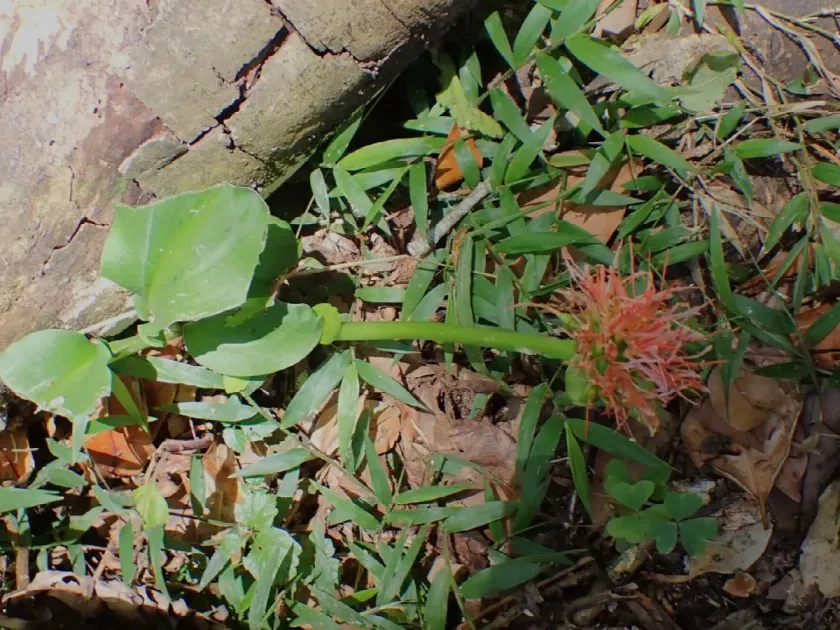
The plant features a large, fleshy bulb that produces a cluster of lush, broad leaves. Its most distinctive feature is the spectacular inflorescence, consisting of numerous small, brilliant red or pomegranate-colored flowers tightly packed into a globose head, supported by conspicuous red bracts.
Cultivation requirements for this species include well-draining, nutrient-dense soil mixes to mimic its natural environment. It is essential to maintain a slightly acidic to neutral pH balance in the substrate to facilitate optimal nutrient uptake during the active growing phase of the plant.
Regarding climate, Scadoxus puniceus requires warm temperatures and bright, indirect light to flourish. Excessive sun exposure should be avoided as it can scorch the delicate foliage, while low temperatures during the dormant season must be avoided to prevent damage to the bulb structure.
In terms of economic usage, this plant is cultivated primarily in the ornamental horticulture industry. It serves as a highly valued collector's item for private glasshouses and botanical gardens, prized for its unique architectural form and dramatic seasonal bloom that makes it a focal point in any display.
Main diseases and pests
Common pests include mealybugs and red spider mites, which can be particularly troublesome in dry, indoor environments. Regular monitoring of the leaf axils and maintaining proper humidity levels are effective strategies to prevent and mitigate infestations of these sap-sucking insects.
Pathogenic threats are dominated by fungal infections, specifically basal rot, which occurs when the soil remains consistently waterlogged. To ensure the health of the bulb, it is critical to provide adequate ventilation and allow the substrate to dry out partially between watering cycles.