
Scadoxus
Scadoxus hybrids
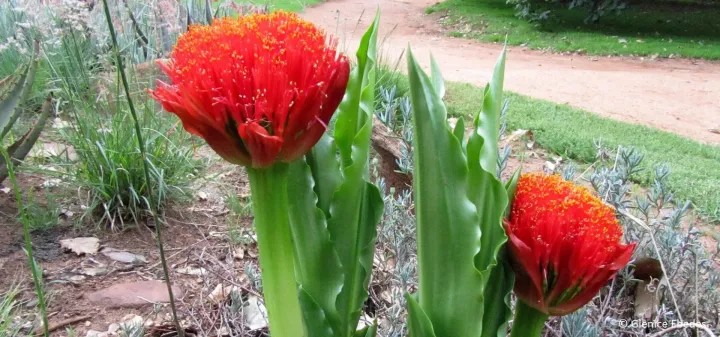
Description
Growing requirements
Scadoxus hybrids are popular ornamental bulbous plants belonging to the Amaryllidaceae family. These plants are widely recognized for their spectacular globe-shaped inflorescences, which serve as a focal point in both conservatories and warm-climate gardens.
Originating from the tropical and subtropical regions of Africa, these plants require specific environmental conditions to thrive. They prefer bright, indirect sunlight, as direct exposure can cause significant leaf scorch, particularly during the peak of the growing season.
The optimal soil medium for Scadoxus is a well-draining, nutrient-rich substrate. A mix of organic compost, peat, and coarse sand provides the necessary aeration for bulb health. Proper drainage is the most critical factor in preventing physiological stress and root system degradation.
Throughout the growing cycle, temperatures should be maintained between 20°C and 25°C. Following the flowering period, the plant enters a dormant state, requiring a significant reduction in water and a drop in temperature to approximately 12°C to 15°C to facilitate future reproductive potential.
Agrotechnical practices involve regular moisture management without wetting the foliage crown. Fertilization schedules should focus on phosphorus and potassium-rich formulas applied during the active growth phase, which encourages robust flower stalk development and enhances color vibrancy.
Main diseases and pests
The primary horticultural threat to Scadoxus is fungal decay, specifically basal rot caused by waterlogged soil conditions. Proactive management involves ensuring the substrate is completely dry between waterings and utilizing copper-based fungicides when necessary to prevent pathogen spread.
Insect pests such as aphids and mealybugs frequently target the underside of the leaves. Maintaining proper humidity and using horticultural soaps or systemic insecticides as required helps keep pest populations under control and ensures the vitality of the plant throughout the growing season.