
Saxifraga valdensis
Saxifraga valdensis
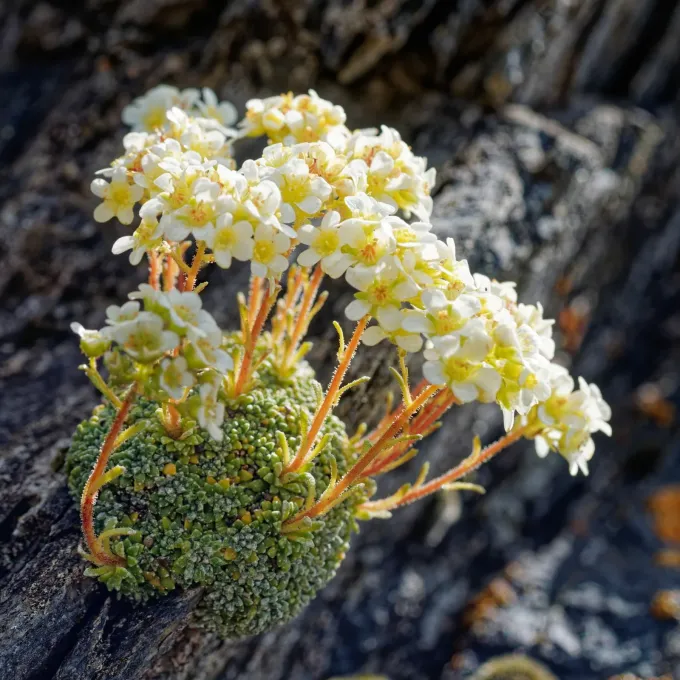
Description
Sowing dates
Propagation of Saxifraga valdensis in cultivation is most commonly achieved through seed sowing in spring or by taking cuttings of rosettes during the summer months. Seeds require stratification, so they are typically sown in late autumn or early spring in a light, sandy substrate.
When sowing, seeds should be scattered on the surface of moist soil without deep covering, as they require light for successful germination. It is recommended to cover the sowing containers with glass or plastic to maintain constant humidity.
Once seedlings emerge, the cover should be removed gradually to provide the plants with fresh air and filtered sunlight. Avoiding the drying out of the soil ball during the active growth phase is critical for the survival of the seedlings.
Pricking out of young plants is performed after the formation of the second pair of true leaves. Using pots with a robust drainage layer is recommended to ensure optimal root development.
Transplanting to the permanent outdoor location occurs after the danger of night frosts has passed, usually at the end of May, maintaining a spacing of about 15–20 cm between individual plants.
Growing requirements
Saxifraga valdensis belongs to the Saxifragaceae family and is a compact mountain plant, naturally occurring in the limestone crevices of the Alps. In horticulture, it is prized for its ability to form dense, silvery cushions of stiff leaves.
Successful cultivation requires well-draining, calcareous soils that mimic rock crevice conditions. The plant is extremely sensitive to moisture retention, making a high-quality drainage system mandatory, especially in areas with heavy clay soils.
Ideal locations for planting include alpine gardens, rockeries, or stony beds, where the plant receives sufficient sunlight while remaining protected from extreme midday heat.
During the growing season, the plant requires moderate watering; however, during winter, protecting the plant from excess moisture is essential to prevent rotting of the root crown and rosettes.
This species is characterized by high winter hardiness, typical of high-altitude flora, and does not require special winter protection provided that efficient water drainage from the root system is maintained.
Main diseases and pests
The primary challenges in cultivating this saxifrage are related to moisture management. Overwatering and stagnant water in the root zone often trigger root and stem rots, which can lead to the plant's demise.
In conditions with crowded plantings and poor airflow, the appearance of powdery mildew is possible. Prevention includes maintaining adequate spacing during planting and timely removal of dead plant parts.
Pests such as spider mites or aphids may infest the plant if grown in greenhouses or during abnormally hot summer periods. Regular inspection of the foliage allows for early detection and treatment of infestations.
Slugs and snails pose a threat to young rosettes, as they feed on tender leaves during humid weather. To mitigate this, specific traps or gravel barriers around the cushions can be employed.
Strict control over soil acidity is necessary, as increased acidity hampers the development of Saxifraga valdensis, making it more susceptible to pathogenic fungi.