
Saxifraga trifurcata
Saxifraga trifurcata
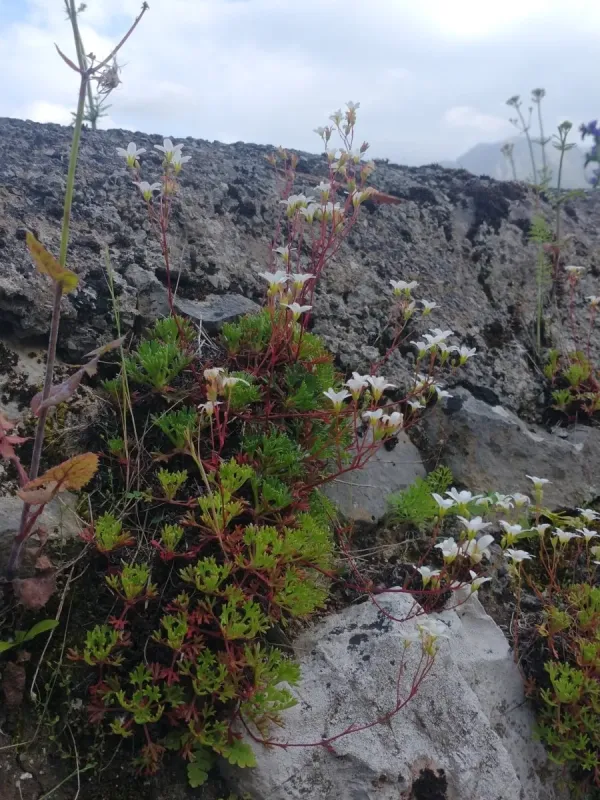
Description
Sowing dates
Propagation of Saxifraga trifurcata is typically achieved through division of mature mats in early spring, which promotes healthy growth and density for the new season.
Seed sowing requires a cold stratification period; therefore, sowing in late autumn or early winter in containers kept outdoors is the most effective method for high germination.
Seeds are extremely small and should be sown on the surface of a well-draining seed-starting mix, lightly pressed down without being covered with soil.
Light is essential for the germination of Saxifraga seeds, so they must be kept in a well-lit environment but protected from direct, scorching sun during the initial phase.
Transplanting seedlings to their final location in rock gardens should be done after the danger of frost has passed, ensuring the soil is sufficiently warmed.
Growing requirements
Saxifraga trifurcata is a member of the Saxifragaceae family, known for its distinctive three-forked leaves that form dense, attractive cushions on stony ground.
The plant thrives in well-drained, gritty, or sandy soils that are neutral to slightly alkaline, mimicking the natural conditions of high-altitude rocky slopes.
Placement is crucial, as the plant prefers full sun to light shade; excessive shade can cause the cushions to become loose and lose their compact ornamental form.
Watering requirements are moderate; while the plant is somewhat drought-tolerant, it benefits from consistent moisture during the peak growing season to ensure vigorous flowering.
The use of stone chippings as a top dressing around the base of the plant is highly recommended to keep the foliage dry and prevent rotting of the root neck.
Main diseases and pests
Root rot is the most common threat to this species, usually caused by poor drainage or excessive stagnant water trapped within the dense foliage mats.
Pests such as aphids and spider mites may target the plant during extended periods of hot, dry weather, potentially weakening the overall structure of the cushions.
Slugs and snails are notorious for feeding on the fresh succulent growth, and protective measures like copper tape or physical barriers are often necessary.
In humid or stagnant conditions, fungal infections can quickly spread, necessitating the removal of dead foliage and improved ventilation around the plants.
Integrated pest management strategies focusing on site hygiene and proper airflow are generally sufficient to keep this plant healthy throughout the year.