
Saxifraga tenuis
Saxifraga tenuis
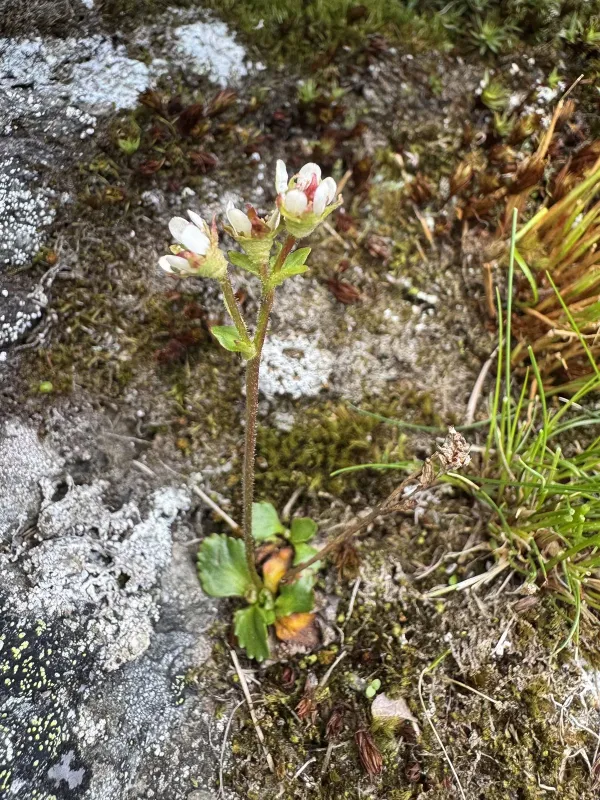
Description
Growing requirements
Saxifraga tenuis, a member of the Saxifragaceae family, is a perennial herbaceous plant native to Arctic and alpine regions. Its primary biological adaptation is its ability to thrive in extremely cold environments with very short growing seasons.
The plant requires well-drained, nutrient-poor, stony soils. In agricultural settings, it is crucial to ensure that the substrate mimics natural mountain conditions, providing excellent drainage to prevent root rot, which is the most common cause of plant loss.
It is best cultivated in full sun to partial shade, depending on the intensity of the summer heat. In warmer climates, it is essential to provide protection from intense midday temperatures by using stone mulching to keep the root zone cool.
Agronomic management involves minimal intervention. Excessive fertilization should be avoided as it compromises the plant's natural compact form and makes it susceptible to opportunistic pests and diseases.
Economically, this species is highly valued in niche horticulture for rock gardens and specialized xeriscaping. Its ability to create dense, low-growing mats makes it an excellent choice for stabilizing rocky slopes in alpine-themed garden designs.
Main diseases and pests
The primary threats to Saxifraga tenuis are fungal diseases caused by moisture-related issues. Root rot and damping-off are common if the soil remains waterlogged for extended periods, especially during the spring thaw.
Pests, particularly mollusks like slugs and snails, are significant threats to the delicate rosettes. Control methods should focus on physical barriers and environmental management to minimize the presence of damp, dark hiding spots for these pests.
To prevent disease outbreaks, air circulation around the rosettes is vital. Planting in well-aerated, rocky substrates significantly reduces the likelihood of bacterial or fungal infections taking hold in the foliage.
Periodic inspection of the root zone is necessary to detect early signs of decay. If an infection is detected, affected areas should be removed immediately to prevent the spread to adjacent healthy plants.
Maintaining the correct soil pH and drainage levels is the best defense against environmental and biotic threats. When ecological conditions are met, the plant shows remarkable resilience and longevity in its chosen habitat.