
Saxifraga tenella
Saxifraga tenella
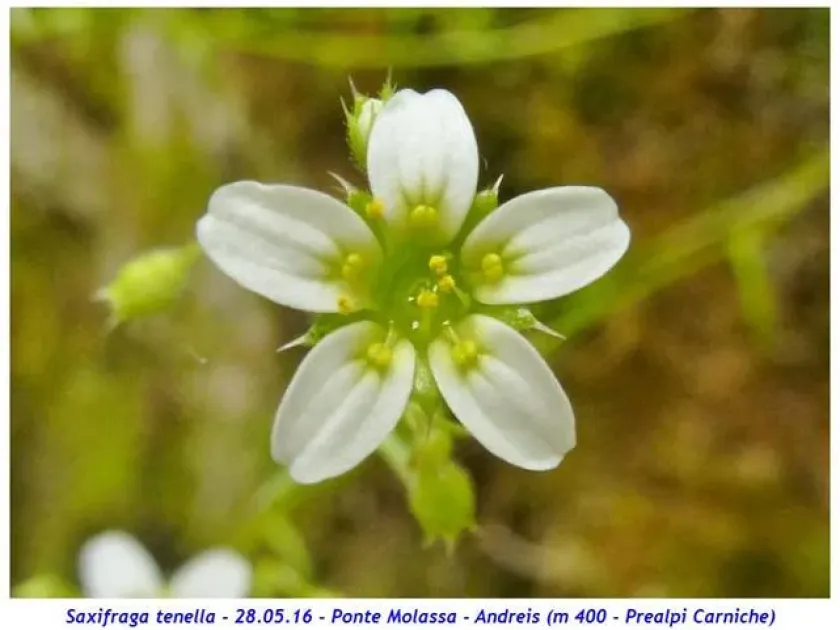
Description
Sowing dates
Propagation of Saxifraga tenella is primarily achieved through division, by separating the clumps or rosettes during the early spring or late autumn. This method ensures the new plants quickly adapt to their new environment.
Seed propagation requires a period of cold stratification to mimic natural mountain conditions. Seeds should be sown on the surface of a light, well-draining substrate during the late winter and kept under light, as they require illumination to germinate.
When planting in a permanent location, a spacing of approximately 15 to 20 centimeters between plants is recommended. This spacing is vital to ensure adequate air circulation and prevent the development of fungal rot in the dense foliage.
Young plants require consistent monitoring for moisture levels until they are well-established. Gentle, regular watering is necessary during the first few weeks, especially in dry weather conditions, to support root development.
Choosing the right site is crucial for successful cultivation. Sites that imitate the natural rocky terrain, combined with good drainage, provide the best chances for the plant to thrive and spread uniformly.
Growing requirements
Saxifraga tenella, belonging to the Saxifragaceae family, is a small, low-growing perennial native to the alpine regions of Europe. It is specialized for life in rocky crevices and mountain slopes.
The plant requires a well-draining, gritty, and slightly acidic to neutral soil. Poor drainage is the most common cause of failure in cultivation, as the roots are highly susceptible to rot when kept in standing water.
Lighting requirements include bright, indirect light or partial shade. While it appreciates some sun, it is sensitive to intense, direct heat during the peak of summer, which can cause the leaves to wilt or scorch.
Watering should be managed carefully to keep the root zone consistently moist but not waterlogged. In a rock garden setting, proper drainage layers at the base are essential to prevent the accumulation of moisture during rainy seasons.
The species is highly resilient to low temperatures and can survive harsh winters if provided with adequate protection from extreme frost during snow-free periods. Covering with pine needles or small gravel can help protect the rosettes.
Main diseases and pests
Excessive humidity combined with poor airflow is the most significant threat to Saxifraga tenella. This environmental stress quickly leads to the onset of fungal infections, such as root rot and mildew, which can decimate the planting.
Pests such as spider mites may become problematic during dry, warm spells. Regular inspection of the undersides of the leaves is advised, and using appropriate acaricides can help manage the infestation if it occurs.
Gastropods, particularly slugs and snails, are frequent visitors that feed on the succulent rosettes. Implementing physical barriers or eco-friendly bait can effectively prevent damage to the foliage.
Nematodes affecting the roots are a potential issue that causes yellowing and stunted growth. Using certified disease-free stock and maintaining overall garden cleanliness is the best preventive strategy against these organisms.
Proactive care, including the removal of dead or decaying lower leaves, promotes airflow and significantly reduces the risk of pathogens settling in the core of the plant.