
Saxifraga stribrnyi
Saxifraga stribrnyi
Description
Sowing dates
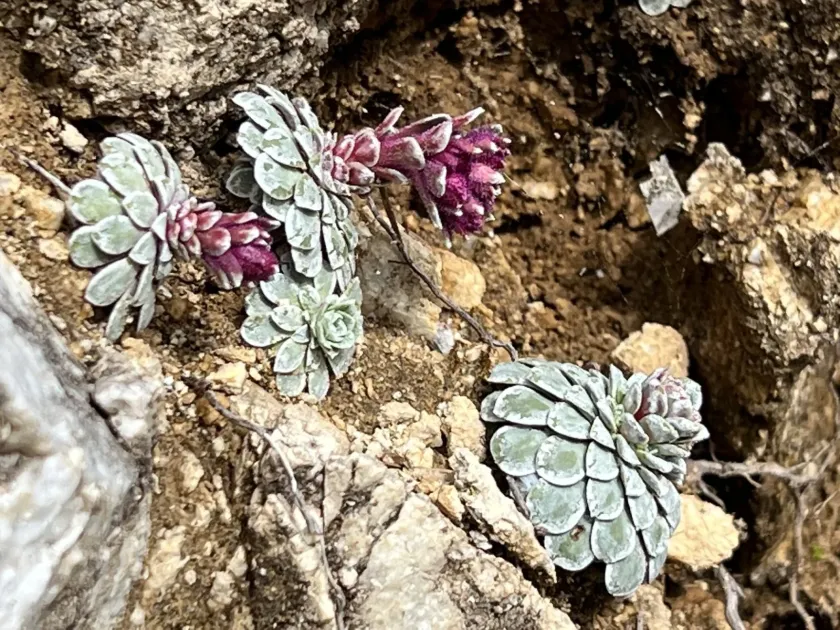
Saxifraga stribrnyi is a distinctive perennial member of the Saxifragaceae family, naturally found in the mountainous Balkan regions. This species is highly valued for its dense, silver-toned rosettes.
Propagation is primarily achieved through seeds sown in late winter. Due to their tiny size, seeds should be surface-sown on a fine, well-draining seed starting mix and barely covered with grit.
Cold stratification is a critical step for germination. Keeping the seed trays in a cold frame or refrigerator for several weeks simulates the winter conditions required for the seeds to break dormancy.
Seedlings are slow-growing and require bright, indirect light to develop properly. Once they reach a manageable size, they should be pricked out into individual small pots with excellent drainage.
Transplanting into the permanent garden site occurs once the danger of hard frosts has passed. Planting them in rocky crevices or gravel-rich soils mimics their natural habitat and ensures long-term vigor.
Growing requirements
As an alpine specialist, this plant thrives in environments that offer sharp drainage and ample airflow. It prefers a position in full sun to partial shade, depending on the intensity of the local climate.
The ideal growing medium consists of a gritty, mineral-rich substrate that does not retain excess moisture. Stagnant water around the crown is the primary cause of plant loss in this species.
Saxifraga stribrnyi performs best in neutral to slightly alkaline soil conditions. Amending the soil with crushed limestone or granite chippings can help recreate the necessary conditions for successful growth.
Watering should be approached with caution. During dry spells, water at the base of the plant rather than overhead to protect the foliage from moisture-related issues and fungal buildup.
The species is remarkably hardy, having evolved to survive harsh mountain conditions. However, in gardens with fluctuating winter temperatures and lack of snow cover, light protection is recommended.
Main diseases and pests
Root rot is the most significant threat to Saxifraga stribrnyi, usually triggered by poor drainage or overwatering. Maintaining a dry crown is essential to keep the plant healthy and robust.
Fungal leaf spot and powdery mildew can occur if ventilation is inadequate. Ensuring that the plants are not overcrowded helps to mitigate these humidity-driven issues throughout the growing season.
Pests like spider mites may infest the foliage during hot, dry summer periods. Regular misting (avoiding direct water on the crown) or the use of horticultural oils can help manage these infestations.
Gastropods such as slugs and snails may graze on the young rosettes during the spring. Implementing physical barriers or organic molluscicides around the base of the plant is standard practice.
Good sanitation is the best defense against pests and diseases. Removing any dead leaves from the rosettes ensures that pathogens have fewer hiding places to overwinter or propagate.