
Saxifraga squarrosa
Saxifraga squarrosa
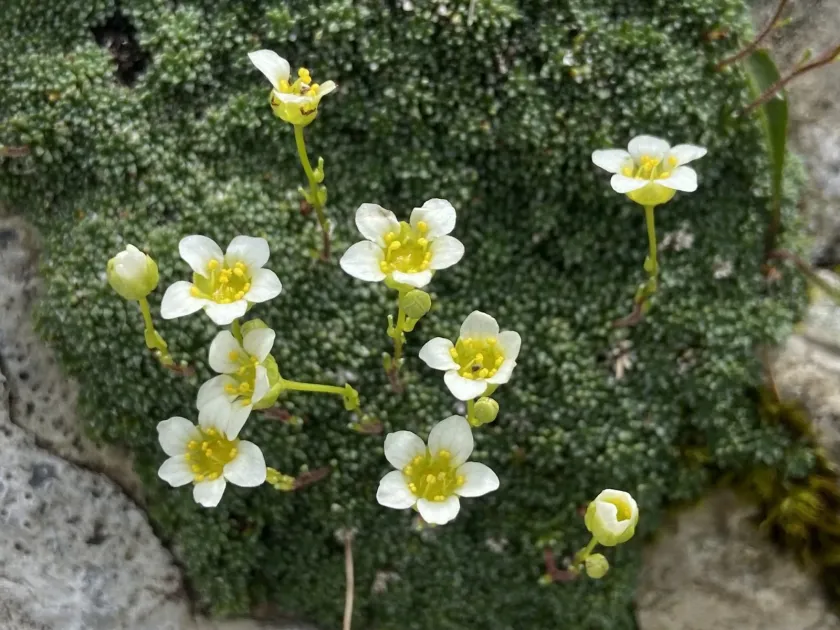
Description
Growing requirements
Saxifraga squarrosa is a distinct member of the Saxifragaceae family, native to the limestone regions of the Eastern Alps. It is a perennial plant known for its compact, cushion-forming habit which makes it a prized specimen for alpine enthusiasts and rock gardeners.
The plant typically grows in rocky crevices and limestone scree slopes in high-altitude environments. Its botanical structure features small, rigid leaves that form dense, stiff rosettes, allowing the plant to thrive in nutrient-poor and exposed conditions.
For cultivation, Saxifraga squarrosa requires a sharply drained, mineral-based soil. A mix of grit, limestone chippings, and a small amount of peat or leaf mold is recommended to provide stability while ensuring roots do not remain waterlogged.
Climatic conditions should reflect its alpine origins: cool temperatures, high light intensity, and good ventilation. It is essential to protect the plant from excessive summer heat, which can cause significant stress to these mountain-dwelling species.
Watering requirements are minimal but precise. It is best to maintain consistent moisture through a porous medium rather than saturating the surface. Excessive nitrogenous fertilization should be avoided as it promotes weak, non-characteristic growth.
Main diseases and pests
Root rot, primarily caused by fungi such as Phytophthora or Pythium, is the most significant threat to Saxifraga squarrosa. This is almost exclusively triggered by water stagnation within the substrate during the dormant season.
Powdery mildew may develop in stagnant, humid environments where air circulation is insufficient. Ensuring that the foliage stays relatively dry after rain or irrigation is a key preventative measure for the health of the cushions.
Gastropods, specifically slugs and snails, are major pests in garden settings, as they find the small, fleshy leaves highly palatable. Barriers such as crushed eggshells or environmentally friendly repellents are effective management tools.
Spider mites can occasionally infest the plant, particularly if the specimen is stressed by high temperatures or low humidity. Regular monitoring is necessary to identify early symptoms of chlorosis or webbing on the leaf rosettes.
Nematode infestations, while less common, can cause systemic decline. The best approach to mitigation is the use of sterilized growing media and the removal of any infected plant material to prevent the spread to adjacent specimens.