
Saxifraga spruneri
Saxifraga spruneri
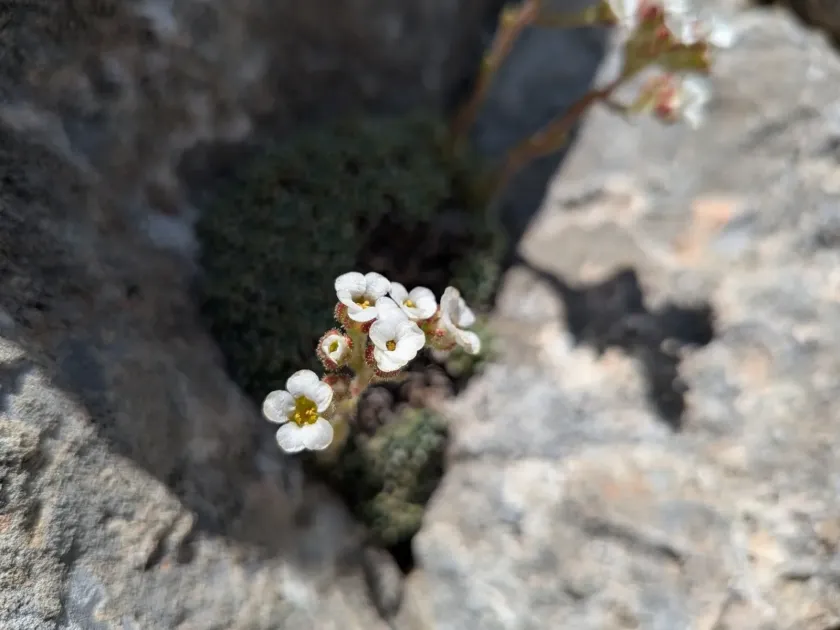
Description
Growing requirements
Saxifraga spruneri is a member of the Saxifragaceae family. This low-growing, perennial herbaceous plant is native to the limestone cliffs of the Balkan Peninsula, where it thrives in harsh mountain environments.
To successfully cultivate this species, growers must replicate high-altitude conditions. The plant requires a well-drained, gritty substrate with high limestone content, maintaining a neutral to slightly alkaline pH.
Climatic requirements focus on cool temperatures and excellent air circulation. The plant is sensitive to excessive heat and humidity, which can lead to rapid physiological decline and root rot in domestic garden settings.
The cultural technique relies on placement in bright, partial shade locations. It is essential to protect the succulent rosettes from direct midday sun in warmer climates to prevent tissue scorch and dehydration.
In terms of practical application, Saxifraga spruneri is utilized primarily in rock gardening and alpinary design. Its ability to form dense, cushion-like mats makes it a prized specimen for specialized landscape collections.
Main diseases and pests
Fungal pathogens represent the most significant threat to this species. Root and crown rot are common occurrences, usually triggered by improper moisture management or stagnant water in the soil medium.
Pests such as spider mites can inflict considerable damage, particularly during periods of low humidity. These pests suck the sap from the succulent leaves, causing stunted growth and aesthetic degradation.
Management of fungal issues requires the application of fungicides and a strict reduction in irrigation frequency. Ensuring proper drainage is the most effective preventative measure against these systemic pathogens.
Cultural prevention includes the use of top-dressing with fine gravel around the plant's base. This practice prevents the leaves from coming into direct contact with moist soil and enhances overall root zone ventilation.
In case of severe pest infestation, the application of targeted insecticides is necessary. Regular inspections are critical to identifying and treating problems before they compromise the structural integrity of the plant.