
Saxifraga spathularis
Saxifraga spathularis
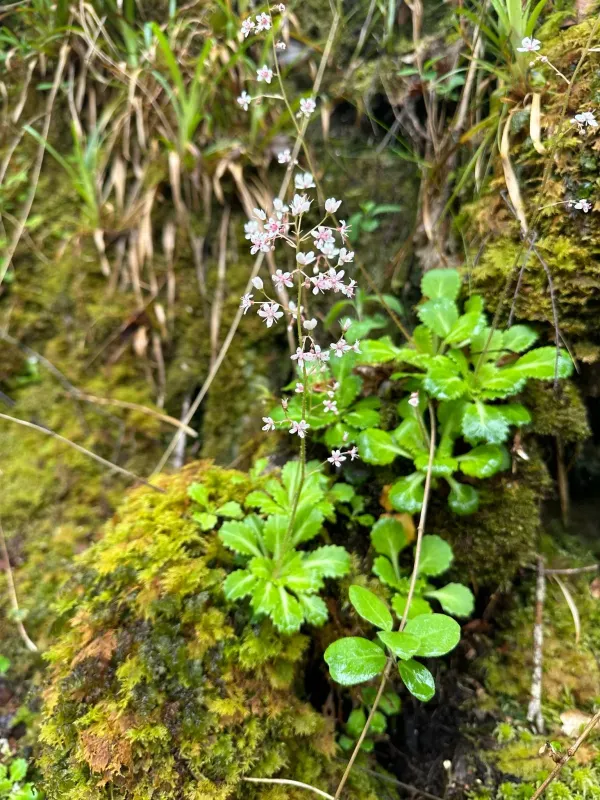
Description
Sowing dates
Saxifraga spathularis is primarily propagated by dividing established clumps in early spring or by rooting individual rosettes that form along the stems.
Seed cultivation is possible but requires a period of cold stratification, typically lasting four to six weeks, to ensure consistent germination rates.
Seeds should be sown on a moist, fine-textured growing medium and covered only lightly, as they require sufficient light to successfully initiate germination.
Once seedlings have developed at least two true leaves, they should be transplanted into individual pots or a nursery bed to strengthen before final planting.
The ideal time to plant them in the permanent outdoor location is late spring, ensuring that the root ball is not disturbed more than necessary during handling.
Growing requirements
As a member of the Saxifragaceae family, this plant thrives in moist, humus-rich, and well-drained soils that maintain a cool temperature throughout the season.
Originating from the damp, rocky environments of Western Europe, this species is well-suited to locations that experience high humidity and mild summers.
Placement in partial shade is essential for the health of the plant, as prolonged exposure to intense, direct sunlight often causes leaf scorch and dehydration.
Cultivation practices include consistent watering to keep the soil damp, combined with a layer of grit or gravel mulch to protect foliage from contact with wet soil.
It is generally considered a low-maintenance perennial, requiring minimal intervention once established, provided it is grown in a climate that supports its moisture needs.
Main diseases and pests
Root rot remains the most common and damaging threat, usually caused by overwatering or soil that lacks adequate drainage properties during the wet season.
Slugs and snails are frequent pests that can quickly skeletonize the foliage, necessitating regular monitoring and the use of physical barriers or organic baits.
Fungal infections, including various types of leaf spot, can occur in poorly ventilated garden spaces where humidity levels remain stagnant for long periods.
Spider mites might become an issue during periods of low humidity or drought, requiring immediate action with horticultural oils or specific mite treatments.
Good sanitation, such as removing dead rosettes and debris from around the base of the plant, is the best preventive measure against the majority of garden pests.