
Saxifraga sibthorpii
Saxifraga sibthorpii
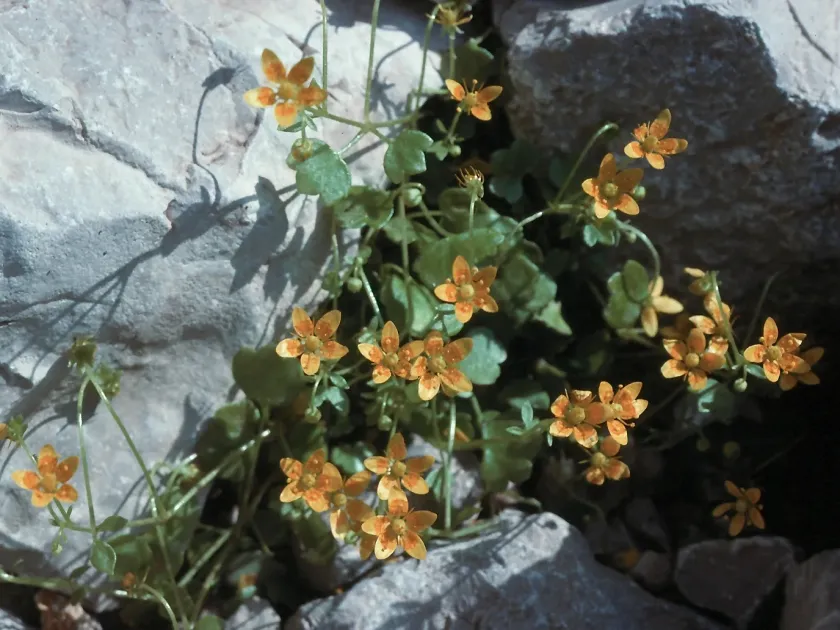
Description
Sowing dates
The seeds of Saxifraga sibthorpii are minute and require surface sowing on a well-draining, sterile potting medium. Do not cover the seeds with soil, as they need light to germinate; instead, press them gently into the substrate to ensure proper contact.
Stratification is a crucial step for achieving uniform germination. Keep the seed trays at a cool temperature (around 4–6 degrees Celsius) for several weeks before moving them to a warmer location, which mimics the natural cycle of the alpine climate.
Maintain consistent humidity by covering the containers with a clear plastic cover. However, it is essential to ventilate daily to prevent the accumulation of excess moisture, which can easily trigger fungal damping-off in such delicate seedlings.
Seedlings should be pricked out into individual pots once they develop their first set of true leaves. Use a lightweight, gritty mixture to promote root development and ensure the young plants are not overly sensitive to the transplantation process.
Transitioning the plants to their permanent outdoor location should occur after the final frost risk has passed. Choose a spot that provides some protection from intense afternoon heat, allowing the plants to establish their roots during the milder spring weather.
Growing requirements
Saxifraga sibthorpii belongs to the Saxifragaceae family, naturally inhabiting rocky crevices and stony ground. As an alpine plant, it is specifically adapted to environments with limited organic material and excellent natural drainage.
Soil requirements for this species are specific: it demands a gritty, mineral-rich medium that does not retain excessive water. Incorporating limestone chips or crushed granite into the planting site will help simulate the plant’s native habitat and improve soil aeration.
This culture thrives in locations with partial shade, particularly avoiding the harsh, direct sun of the middle of the day. In alpine gardens, a northeast-facing slope is often ideal to provide adequate light while preventing heat stress during summer.
Watering must be approached with caution. While the plant requires moisture to prevent wilting, the root zone must never remain waterlogged. Overwatering is the most common cause of failure in cultivating this species, often leading to rapid crown rot.
Maintenance is minimal. Saxifraga sibthorpii does not respond well to heavy fertilization. Too much nitrogen will cause the plant to grow leggy and lose its characteristic tight, rosette form, making it more susceptible to environmental stress.
Main diseases and pests
The primary threat to Saxifraga sibthorpii is crown rot, caused by poor drainage and excessive atmospheric humidity. If the center of the rosette becomes brown and mushy, it is a clear sign of fungal infection requiring immediate intervention or plant removal.
Spider mites can be a problem during prolonged hot and dry periods. These pests suck sap from the leaves, causing them to appear mottled or yellowish. Regular monitoring of the foliage, especially on the undersides, is essential for early pest detection.
Aphids occasionally target the tender inflorescences, weakening the plant's reproductive output. Treating infestations with targeted, mild insecticidal sprays is recommended to protect the integrity of the plant without harming beneficial organisms in the garden.
Slugs and snails are notorious for causing significant mechanical damage to the fleshy leaves of saxifrages. Implementing a perimeter of abrasive material or using organic slug baits can effectively protect the plants during wet, humid weather conditions.
Cultural hygiene is the most effective preventative measure against diseases. Clearing away dead leaves and debris from the base of the plant ensures better airflow, significantly reducing the chances of pathogen proliferation throughout the growing season.