
Saxifraga scleropoda
Saxifraga scleropoda
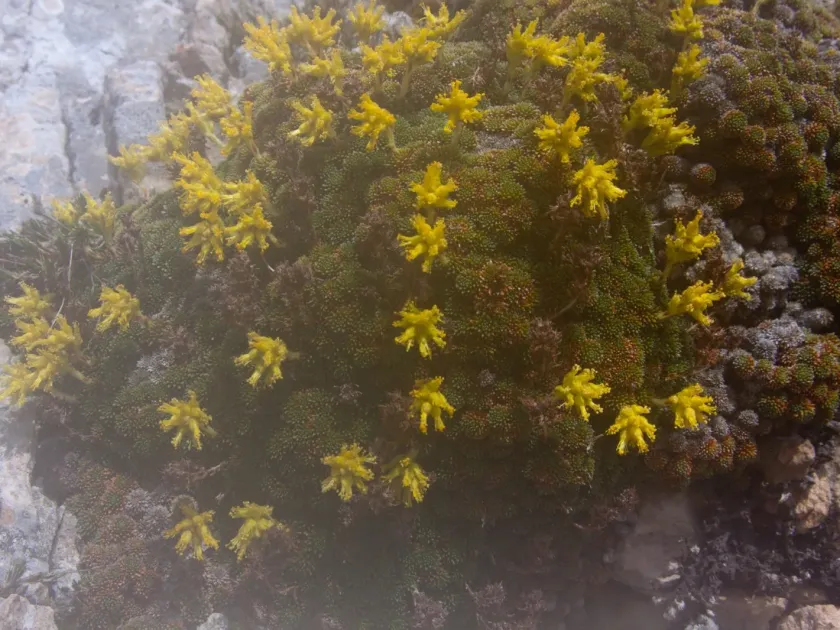
Description
Sowing dates
The sowing of Saxifraga scleropoda seeds is best performed in late winter or early spring in a controlled indoor environment. The seeds require a period of cold stratification to break dormancy, so placing the seed trays in a cool area or refrigerator for several weeks is a crucial step for successful germination.
The growing medium must be highly porous and well-drained, consisting primarily of sand, fine grit, or volcanic rock dust. Seeds should be sown on the surface and left uncovered, as exposure to light is necessary to stimulate the germination process in this species.
Once the seedlings develop their first true leaves, they should be carefully pricked out into individual containers. Using sterile peat-free compost helps to prevent damping-off, a common issue in young succulent seedlings during the initial growth stages.
Transplanting to their permanent location in the garden should only take place after the danger of severe frost has passed. Planting during cooler, overcast weather helps the seedlings establish their root systems without the stress of intense transpiration.
Maintain a planting distance of approximately 15 to 20 centimeters between specimens. This spacing is vital for ensuring adequate airflow, which is essential to keep the dense basal rosettes healthy and prevent the accumulation of humidity.
Growing requirements
Saxifraga scleropoda is a member of the Saxifragaceae family, naturally evolved to thrive in high-altitude rocky environments. Understanding this ecological origin is key to successful cultivation, as the plant demands specific environmental parameters similar to its native habitat.
The plant thrives in bright, indirect light. While it appreciates morning sun, it is sensitive to intense, direct afternoon heat, which can cause leaf scorch. A site with light shade or northern exposure is often ideal in warmer climate zones.
Soil structure is of paramount importance; it must be lean, gritty, and alkaline. Heavy or clay-based soils are unsuitable and will quickly lead to root decay. Adding crushed limestone or small gravel to the planting hole significantly improves the drainage required by the species.
Watering should be managed with caution, providing moisture only during dry spells. It is essential to avoid overhead watering, which can trap water in the centers of the rosettes and trigger rot. Drip irrigation or subsurface watering is the preferred method for this species.
Fertilization should be kept to an absolute minimum. Because the plant is adapted to nutrient-poor soils, high-nitrogen fertilizers are detrimental, promoting weak, succulent growth that is highly susceptible to winter kill and pest attacks.
Main diseases and pests
Root rot is the most significant threat to Saxifraga scleropoda, typically caused by inadequate drainage or waterlogged conditions. Once rot is identified in a rosette, it is often necessary to remove the plant entirely to protect neighboring specimens from potential infection.
Powdery mildew can affect the foliage in areas with poor air circulation. Improving airflow through thinning and maintaining clean cultural practices significantly reduces the risk of this fungal pathogen taking hold in the rock garden.
Spider mites represent a major pest risk during hot, dry summer periods. These pests feed on the cell sap, leading to mottled and yellowed leaves. Regular inspection and the application of suitable acaricides at the first sign of infestation are recommended.
Aphids can be particularly troublesome during the flowering stage, clustering on the tender stalks. While they can be removed manually in small gardens, systematic insecticides may be required in larger cultivation areas to preserve the visual quality of the flowers.
Nematode infestations can severely compromise the root system, causing a general decline in the plant's health. Strict hygiene, such as using sanitized tools and purchasing healthy nursery stock, is the primary line of defense against these subterranean threats.