
Saxifraga scardica
Saxifraga scardica
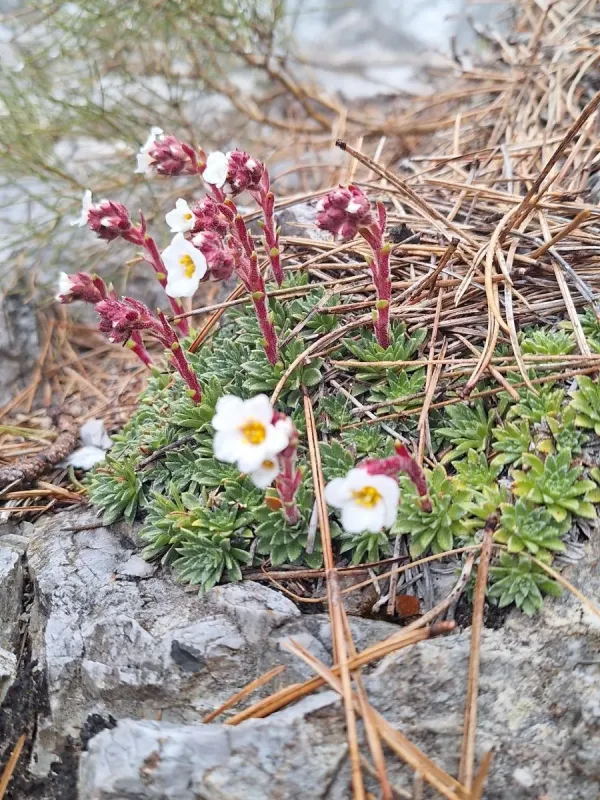
Description
Sowing dates
Propagation of Saxifraga scardica is primarily achieved through seeds or vegetative division of mature rosettes. Seeds are best sown in late winter in well-drained substrate, requiring a period of cold stratification to break dormancy and ensure uniform germination.
When sowing, seeds should be pressed lightly into the surface of the growing medium without covering them deeply, as they require light to germinate effectively. Maintaining consistent, light moisture levels is essential until the seedlings are fully established.
Young plants are sensitive to handling and should be moved to their permanent location in a rock garden once the risk of spring frosts has passed. Careful acclimation to outdoor conditions is necessary to avoid transplant shock.
Vegetative division of large clumps is best performed after the flowering period. By separating the rosettes, gardeners can maintain the vitality of the plant and preserve its desired growth habit while ensuring new sections take root in fresh, sandy soil.
Spacing should be managed to allow for adequate airflow between rosettes. Planting densities of 12 to 15 units per square meter provide sufficient room for development while encouraging the classic carpet-like appearance typical of saxifrage species.
Growing requirements
Saxifraga scardica belongs to the Saxifragaceae family and originates from the mountainous regions of the Balkan Peninsula. Its natural adaptation to harsh, rocky outcrops dictates its specific agricultural needs for successful cultivation.
This species thrives in well-drained, lime-rich mineral soils. It is highly intolerant of waterlogged conditions, making the inclusion of coarse grit or gravel in the substrate essential for the health of its root system.
The ideal environment for Saxifraga scardica is a spot with bright, indirect light or morning sun. Afternoon shade is highly recommended to protect the sensitive rosettes from excessive heat, which can cause leaf scorch and dehydration.
The plant is exceptionally winter-hardy, as it is native to high-altitude areas. It tolerates freezing temperatures well, provided the growing medium remains dry during the winter months to prevent rotting of the crown.
Nutrient requirements are modest; the plant is accustomed to poor mountain soils. Over-fertilization, especially with nitrogen-based products, should be avoided as it leads to rapid, weak growth and makes the plant more susceptible to diseases.
Main diseases and pests
The most significant threat to Saxifraga scardica is fungal rot caused by poor ventilation and excess moisture. Root and crown rot are particularly destructive during rainy spells or in regions with high humidity levels.
Pests such as aphids and spider mites can infest the rosettes, draining essential fluids and weakening the plant. Regular monitoring is key to identifying these issues before they manifest as yellowing or deformed leaves.
Preventive maintenance includes the prompt removal of dead or decaying foliage to ensure maximum airflow. Ensuring that the crown remains dry and free of debris is critical to preventing the spread of fungal pathogens.
Nematodes are another concern in specific conditions, especially if the soil is too heavy or compacted. If infection is suspected, the affected plants must be removed and the surrounding soil treated to prevent further spread of the infestation.
When chemical control is necessary, select fungicides or pesticides designed for alpine plants and follow the application rates carefully. Biological control methods and maintaining optimal dry conditions are often the most successful long-term strategies.