
Saxifraga rudolphiana
Saxifraga rudolphiana
Description
Growing requirements
Saxifraga rudolphiana is a perennial alpine species belonging to the Saxifragaceae family. This plant is native to the high-altitude regions of the Eastern Alps, where it has evolved to thrive on limestone rocky outcrops and scree slopes under harsh environmental conditions.
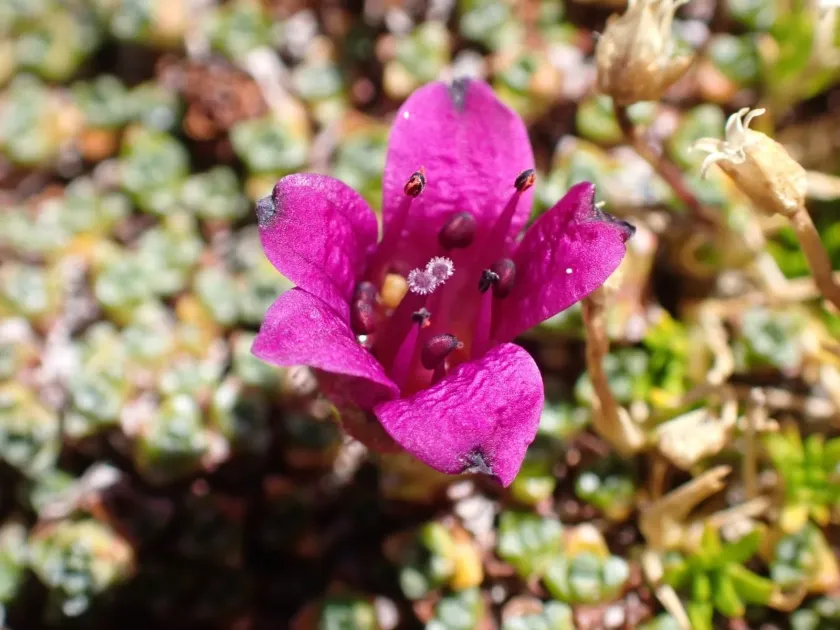
The botanical structure of this species is characterized by dense, cushion-forming rosettes of small, leathery, glandular leaves. During the blooming season, the plant produces short stems with vibrant purple to pink flowers, which are highly prized by collectors for their intense coloration.
Cultivation requirements focus on mimicking the alpine environment, which demands cool temperatures and excellent air circulation. The plant is intolerant of high heat and stagnant humidity, making it essential to provide a location with significant sun exposure and a dry atmospheric context.
Regarding soil management, a highly permeable and mineral-rich substrate is required. A mixture of gravel, crushed limestone, and minimal organic matter is ideal to prevent root asphyxiation and to maintain the specific pH levels that the plant needs to develop its healthy foliage.
The economic value of this culture is primarily concentrated in the professional landscaping and nursery sector. It serves as a flagship plant for rock gardens, trough gardens, and alpine exhibits, where its slow growth rate and compact habit make it a low-maintenance, high-aesthetic asset.
Main diseases and pests
The primary threat to the health of Saxifraga rudolphiana is crown rot, usually caused by improper watering techniques or heavy, water-retaining soil. To mitigate this risk, gardeners must ensure a top-dressing of grit around the crown to facilitate rapid drainage and prevent moisture contact with the leaves.
Pests such as spider mites can present a challenge during particularly warm and dry springs. Regular monitoring and the application of targeted, non-phytotoxic acaricides are necessary to prevent infestations that could weaken the plant's structural integrity and aesthetic appeal.