
Saxifraga retusa
Saxifraga retusa
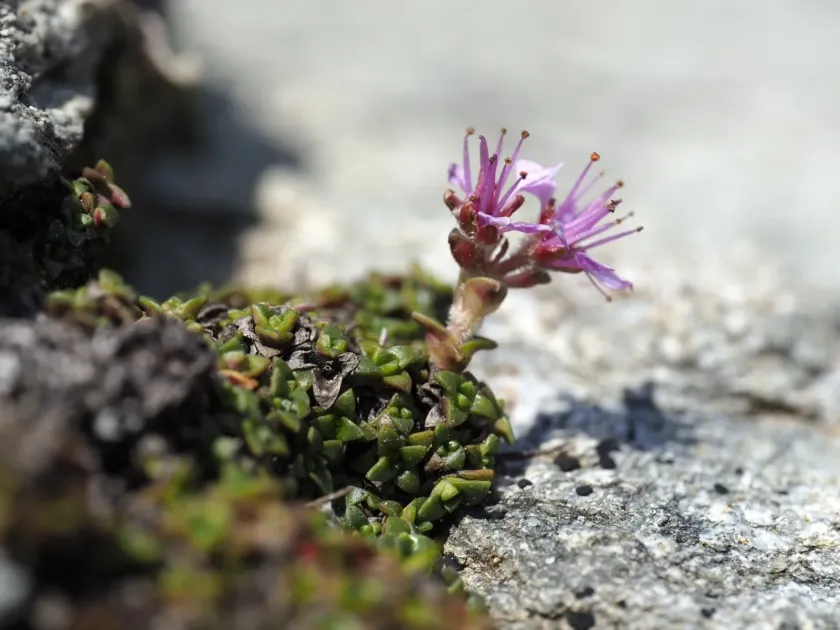
Description
Sowing dates
Propagation of Saxifraga retusa is typically achieved through seeds or vegetative division. Seeds require a cold stratification period, making late autumn or early winter the ideal time for sowing in either containers or an open-air nursery bed.
When sowing in containers, use a well-drained, grit-based compost. The seeds should be lightly covered with a thin layer of sand and kept cool to simulate natural alpine conditions.
Vegetative division is best performed immediately after the flowering period concludes. Carefully lifting the clump and separating small, rooted sections allows for quicker establishment before the onset of extreme weather.
Ensure that division sites are kept moist but not waterlogged during the initial rooting phase to encourage healthy root development and reduce plant stress.
Young plants or seedlings should be kept in a protected area with bright, indirect light until they are mature enough to be transplanted into their permanent location in the rock garden.
Growing requirements
Belonging to the Saxifragaceae family, Saxifraga retusa is a native of the high-altitude regions of the Alps and Pyrenees. It has evolved to thrive in rocky crevices and poor, nutrient-deficient soils.
The primary requirement for success is perfect drainage. The plant is extremely sensitive to winter wetness and must be planted in grit or scree beds to prevent water from accumulating around the crown.
It prefers a location with bright light but appreciates partial shade during the hottest part of the day in lowland gardens. This helps maintain the cool root temperatures it naturally experiences in the mountains.
The soil should be neutral to slightly acidic and contain plenty of mineral grit. Adding limestone chips or gravel to the planting medium can improve aeration and mimic its natural limestone habitat.
The plant is exceptionally hardy and capable of surviving sub-zero temperatures, provided the soil remains well-drained throughout the winter season to prevent ice damage to the roots.
Main diseases and pests
Fungal diseases, particularly crown and root rot, are the most significant threats to Saxifraga retusa, especially if the plants are kept in stagnant, overly damp conditions.
Pests such as aphids and spider mites can occasionally affect the plants, particularly during long periods of drought. Monitoring for these pests is essential for maintaining plant vigor.
Nematodes can also cause issues by attacking the root system, which weakens the plant and makes it more susceptible to environmental stressors and secondary infections.
To prevent disease outbreaks, avoid overhead watering which traps moisture at the base of the plant. Instead, ensure good air circulation and keep the immediate area around the crown clean and dry.
If chemical treatments are necessary, choose fungicides carefully, as some products may be harmful to delicate alpine species. Prevention via proper soil management is always the most effective control method.