
Saxifraga pubescens
Saxifraga pubescens
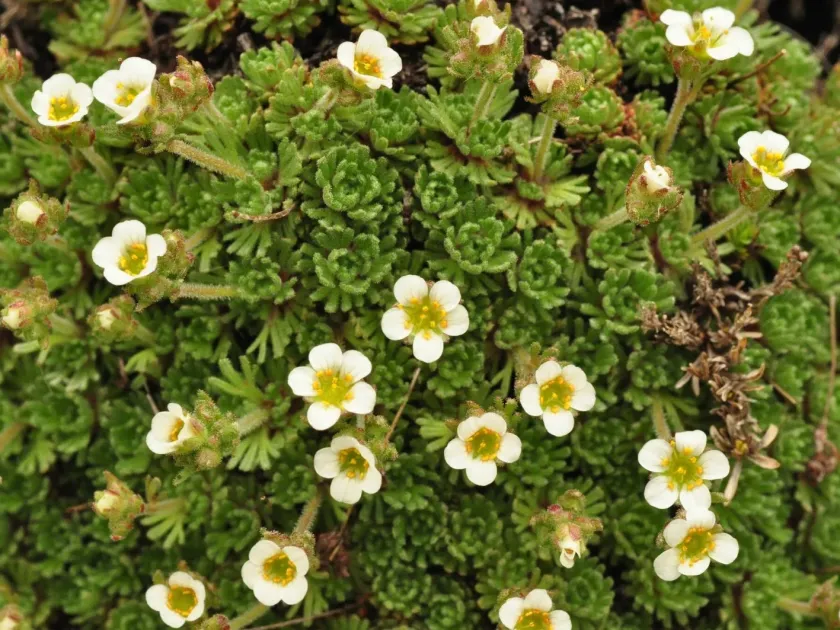
Description
Sowing dates
Saxifraga pubescens is typically propagated via seeds or by dividing established clumps in early spring. Due to the minute size of the seeds, they should be surface-sown on a fine, well-draining substrate without being covered with soil.
Consistency in moisture is critical during the germination phase. Covering the seed tray with a clear film helps maintain high humidity levels, while keeping the environment between 18–20 degrees Celsius supports optimal sprouting rates.
Once seedlings develop their first true leaves, they should be carefully pricked out and transplanted into individual pots. Using a sandy mix ensures the young roots have sufficient air circulation to prevent damping-off diseases.
Division is a faster method for filling larger areas of a rock garden. Digging up an established plant after flowering and splitting it into smaller, healthy sections allows for immediate transplanting and quicker establishment in the new site.
Spacing plants about 15–20 centimeters apart is recommended to ensure each plant receives adequate light and airflow. This spacing allows the saxifrage to form a uniform, dense mat that provides excellent ground coverage over time.
Growing requirements
Saxifraga pubescens is a member of the Saxifragaceae family, natively adapted to cool, rocky environments. Its natural habitat includes mountainous regions where the soil is gritty and low in organic matter but naturally well-draining.
To cultivate this species successfully, a soil with a neutral to slightly alkaline pH is ideal. Ensuring that the planting site has excellent drainage is the single most important factor, as the roots are highly susceptible to rot in waterlogged soils.
In terms of climate, this plant thrives in areas with cool summers and adequate moisture. In warmer climates, it is essential to provide partial shade during the hottest parts of the day to prevent the foliage from scorching and losing its luster.
Irrigation should be managed with precision. Watering at the base of the plant, rather than overhead, minimizes the risk of rot within the center of the leafy rosettes. Keeping the plant hydrated but not saturated is key to healthy growth.
Regular maintenance includes removing debris and fallen leaves from the foliage cushions. Minimal fertilization is required, as excessive nutrients can lead to leggy, weak growth that makes the plant more vulnerable to disease and pests.
Main diseases and pests
Root rot, driven by stagnant moisture and poor soil aeration, is the primary threat to Saxifraga pubescens. Once symptoms such as wilting or discoloration of the rosette base appear, recovery is often difficult, making prevention the best approach.
Powdery mildew is a common fungal issue that manifests as white patches on the leaves. Increasing airflow around the plants and applying an appropriate fungicide can effectively manage this problem and restore the plant's health.
Pests like aphids and spider mites can infest the plant, particularly during dry spells. Regular inspection is necessary, and if an infestation is detected, an application of a suitable insecticide or horticultural oil should be performed early in the day.
Gastropods such as slugs and snails are attracted to the cool, moist foliage of the saxifrage. Using bait or physical barriers around the planting area helps protect the delicate leaves from being decimated by these voracious pests.
Proper hygiene within the rock garden is the most effective preventative measure against disease. By promptly removing dead tissue and ensuring adequate spacing between plants, the overall resilience of the saxifrage collection is significantly enhanced.