
Saxifraga praetermissa
Saxifraga praetermissa
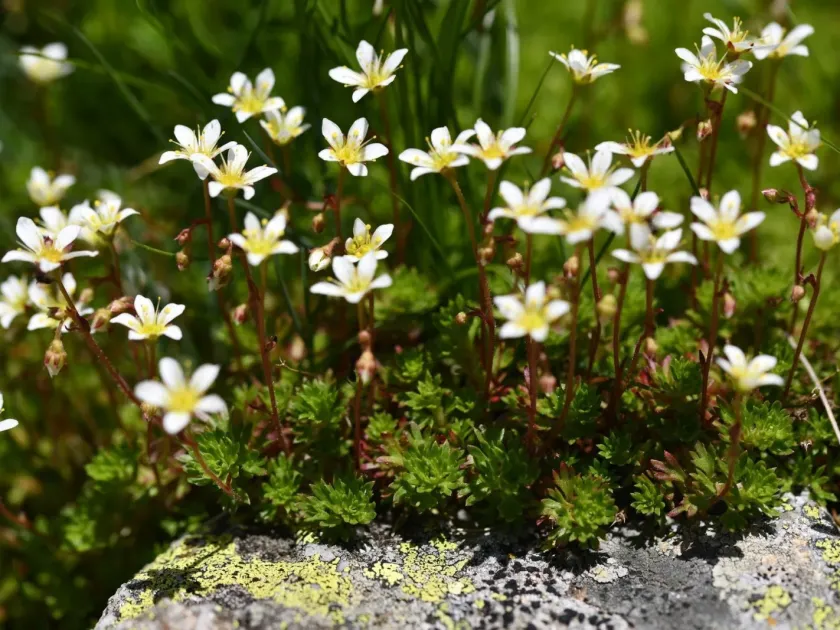
Description
Growing requirements
Saxifraga praetermissa belongs to the Saxifragaceae family. This perennial alpine plant is indigenous to mountainous regions, primarily found in the Pyrenees, where it grows in rock crevices and on stony slopes.
The culture requires specific environmental conditions, characterized by cool, well-ventilated air and high soil permeability. Water must not remain stagnant around the crown, as it is highly susceptible to root decay.
Optimal cultivation involves using a substrate composed of gritty, mineral-rich material. It thrives in locations with partial shade, avoiding the intensity of direct afternoon sunlight which can scorch the delicate foliage.
Agronomic management is minimal but precise. Consistent but careful moisture management is required during the growing season, ensuring the soil remains moist but never waterlogged or saturated.
In terms of usage, it is a specialty plant for rock gardens, trough gardens, and alpine landscapes. Its slow-growing nature makes it an excellent candidate for miniature displays where slow-spreading ground cover is desired.
Main diseases and pests
The primary threat is fungal infection, particularly Phytophthora and other rot-inducing pathogens caused by poor drainage. Ensuring high airflow around the foliage is a critical preventative measure.
Pests such as vine weevils may occasionally pose a threat by damaging the root system. Periodic monitoring of the soil medium for larval activity is recommended for healthy plant development.