
Saxifraga portosanctana
Saxifraga portosanctana
Description
Growing requirements
Saxifraga portosanctana is a distinct perennial plant species belonging to the Saxifragaceae family. This species is endemic to the island of Porto Santo in the Madeira archipelago, where it thrives in specific rocky habitats. Its botanical profile is adapted to harsh, resource-limited conditions, making it a unique interest for botanical enthusiasts.
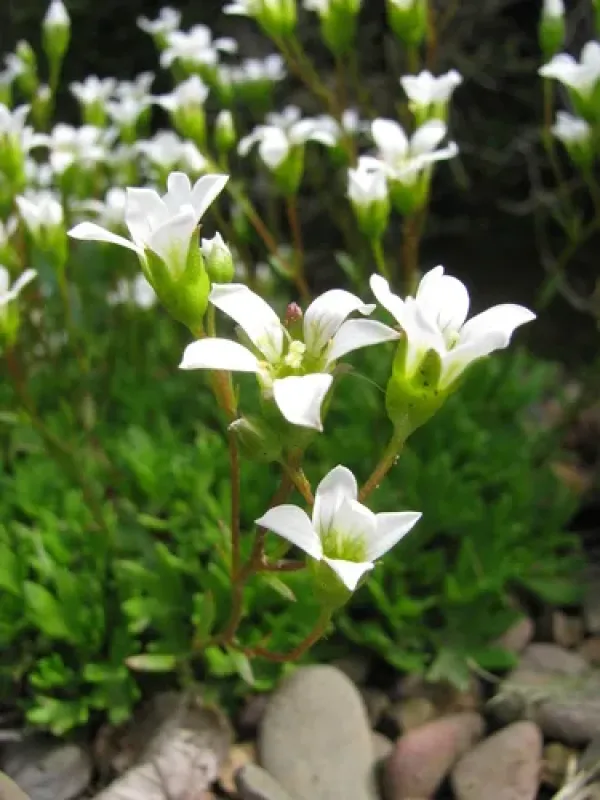
The plant exhibits a rosette growth pattern with succulent, often pubescent leaves that assist in water retention. These rosettes remain close to the ground, shielding the plant from wind exposure. The flowering stems produce delicate, white or cream-colored flowers, which are characteristic of the Saxifraga genus, providing a subtle aesthetic appeal.
To cultivate this species successfully, it is imperative to replicate its natural environment by providing a well-draining, mineral-rich substrate. A mix of pumice, perlite, and coarse sand is highly recommended to ensure oxygen reaches the root system. Avoiding water stagnation is critical, as the roots are highly susceptible to rot when kept in damp, heavy conditions.
The plant thrives in cool to moderate temperatures with plenty of bright, indirect light. In artificial cultivation, such as greenhouses or rock gardens, it is essential to ensure a constant flow of fresh air. Excessive humidity must be avoided, as it can encourage pathogen growth, especially during the colder months of the year.
In terms of agricultural and horticultural use, Saxifraga portosanctana is valued as an ornamental specimen for specialized rock gardens and botanical collections. Its scarcity and specific environmental needs make it a prized plant for skilled gardeners interested in preserving and showcasing endemic island flora.
Main diseases and pests
The primary threats to this plant involve fungal infections resulting from over-irrigation or inadequate drainage. Root rot and damping-off disease are significant risks that can be mitigated by ensuring the substrate dries out sufficiently between waterings and applying preventative fungicides if environmental conditions become stagnant.
Pest management should focus on monitoring for common pests like spider mites and aphids. These insects can be particularly damaging to the delicate rosettes and floral stems. Early detection and the application of mild, environmentally friendly insecticidal soaps or biological control agents are the preferred methods for protecting the plants from infestations.