
Saxifraga petraea
Saxifraga petraea
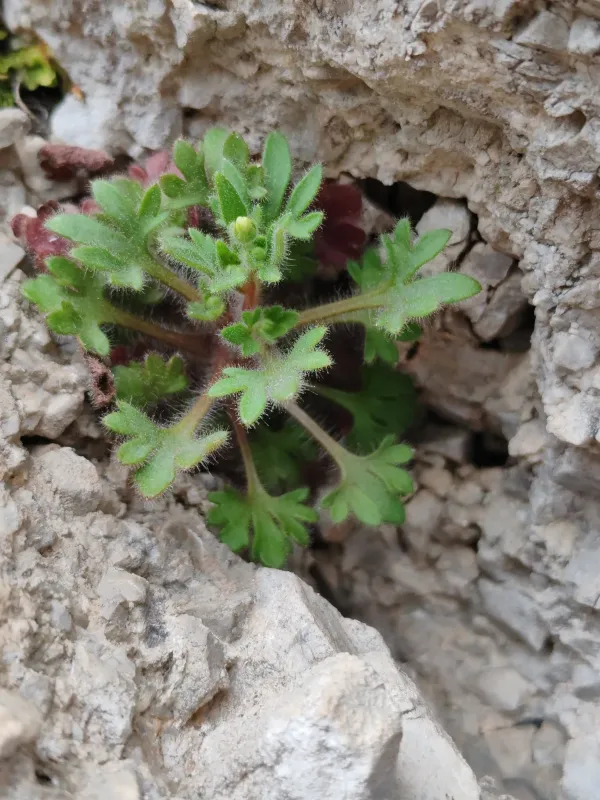
Description
Sowing dates
Sowing seeds of Saxifraga petraea is most effective in late autumn or early spring. The seeds benefit from a period of cold stratification, making outdoor sowing during winter a natural and reliable method for germination.
For indoor propagation, seeds should be sown in containers using a light, well-draining substrate in February or March. They must be sown on the surface, as light is a critical factor for their successful germination.
Maintaining a stable temperature between 15 and 18 degrees Celsius and moderate humidity is essential during the incubation period. Using a sterile potting mix helps prevent damping-off diseases common in young seedlings.
Pricking out the seedlings should be done carefully after the development of the second pair of true leaves. Since the roots are delicate, transplanting should involve minimal disturbance to the root ball to ensure rapid establishment.
Transplanting into the permanent garden site, such as a rock garden or scree bed, should occur once the risk of spring frost has passed, ensuring adequate spacing between individual plants.
Growing requirements
Saxifraga petraea belongs to the Saxifragaceae family and is recognized as a hardy herbaceous plant adapted to rocky crevices and high-altitude terrains. Its physiological structure is designed for life in harsh, nutrient-poor environments.
The primary soil requirement is excellent drainage. The species thrives in neutral to slightly alkaline, rocky soils where moisture does not accumulate. Adding gravel or grit to the planting hole is a standard practice to prevent root rot.
The plant prefers sunny positions but can tolerate light shade during the hottest parts of the day. Proper air circulation is vital, especially for plants grown at lower altitudes, to reduce the risk of humidity-related issues.
Native to various mountain ranges in Europe, Saxifraga petraea has evolved to withstand significant temperature fluctuations and prolonged periods of drought, making it an excellent candidate for low-maintenance alpine gardens.
Regarding fertilization, caution is advised. Excessive nitrogen application should be avoided as it leads to weak, lush growth that reduces the plant's natural resilience and compact aesthetic form.
Main diseases and pests
Root rot caused by poor soil drainage and waterlogging is the most frequent cause of plant mortality. Maintaining a dry crown area is essential for long-term survival in garden conditions.
Spider mites are potential pests, particularly during hot and dry summer months. Regular monitoring and, if necessary, the application of appropriate acaricides can keep these infestations under control.
Slugs and snails can cause significant mechanical damage to the foliage. Implementing barriers of sharp grit or using natural deterrents around the plants is an effective management strategy.
The use of inappropriate mulching materials that hold moisture against the base of the plant can lead to crown rot. Keeping the base of the plant free of organic debris is a key preventive measure.
Should leaf spot or other fungal symptoms appear, applying fungicides according to label recommendations is necessary to preserve the plant's health and maintain its ornamental display throughout the season.