
Saxifraga pentadactylis
Saxifraga pentadactylis
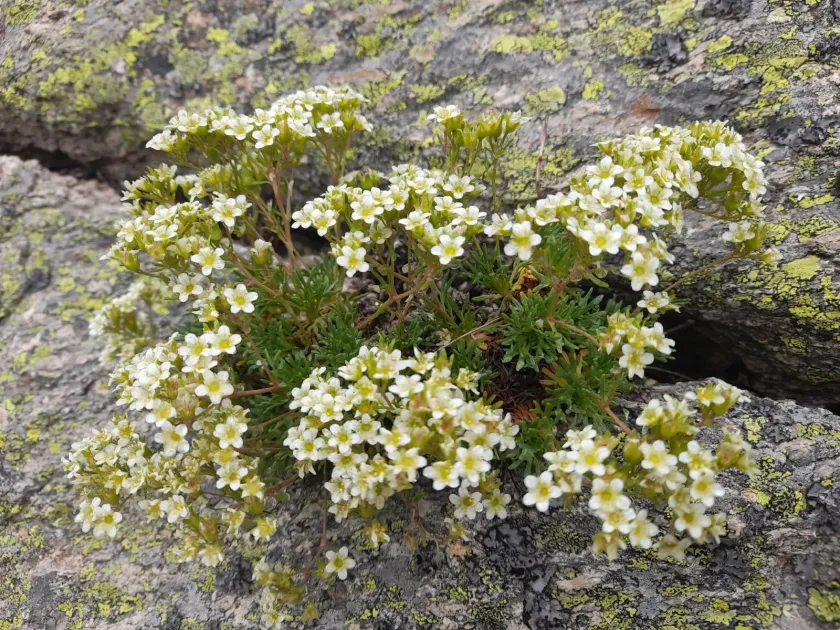
Description
Sowing dates
Seeds of Saxifraga pentadactylis should be sown in early spring when temperatures reach at least 15 degrees Celsius. Cold stratification for 3-4 weeks is highly recommended to break dormancy and ensure uniform germination.
When starting seeds in trays, use a well-draining, grit-based substrate. Sprinkle seeds on the surface and press them lightly; do not cover them deeply as light is required for successful germination.
Maintain consistent moisture using a fine mist sprayer. Once seedlings develop their first true leaves, they should be carefully pricked out into individual small pots or a nursery bed with excellent drainage.
Hardening off the young plants is essential before planting them out permanently in a rock garden. Ensure the site is prepared with plenty of crushed stone or coarse sand mixed into the soil.
Vegetative propagation via division is the most effective method for established plants. Carefully lift a mature clump in the spring, divide it into smaller pieces, and replant immediately into moist, well-draining soil.
Growing requirements
Saxifraga pentadactylis is a perennial herb belonging to the Saxifragaceae family. It is recognized for its unique palmately lobed leaves that form tight, attractive mounds, making it a staple in rock gardening.
This species requires conditions that mimic its natural alpine habitat. A gritty, neutral to slightly alkaline soil with superior drainage is non-negotiable to prevent root rot during the growing season.
It prefers partial shade or cool, sunny positions. While it can withstand bright light, scorching afternoon heat should be avoided. Adequate airflow around the foliage is necessary to maintain plant vigor.
Watering should be balanced. Provide enough water to keep the root system hydrated during active growth, but never allow the plant to sit in waterlogged soil, as this is the primary cause of plant failure.
The plant is frost-hardy and adapts well to temperate climates. During winter, protect the foliage from prolonged exposure to freezing wet conditions, as moisture trapped in the crown can cause decay.
Main diseases and pests
Root rot is the most serious threat to Saxifraga pentadactylis, almost always caused by poor drainage or overwatering. Improving the substrate composition is the only effective long-term preventative measure.
Aphids and spider mites are common pests that thrive in dense foliage cushions. Frequent monitoring is necessary, especially during warm, dry weather, to catch infestations before they cause significant damage.
Fungal issues like powdery mildew may occur in stagnant, humid environments. Thinning out the plantings to encourage better air circulation is the best way to reduce the risk of outbreaks.
Slugs and snails often target young growth. Use physical barriers like crushed shells or copper tape around the perimeter of the plant to deter these mollusks from grazing on the tender leaves.
Poor plant health can also be exacerbated by improper fertilizer use. Avoid nitrogen-rich fertilizers, as they promote soft, succulent growth that is more susceptible to disease and winter damage.