
Saxifraga paradoxa
Saxifraga paradoxa
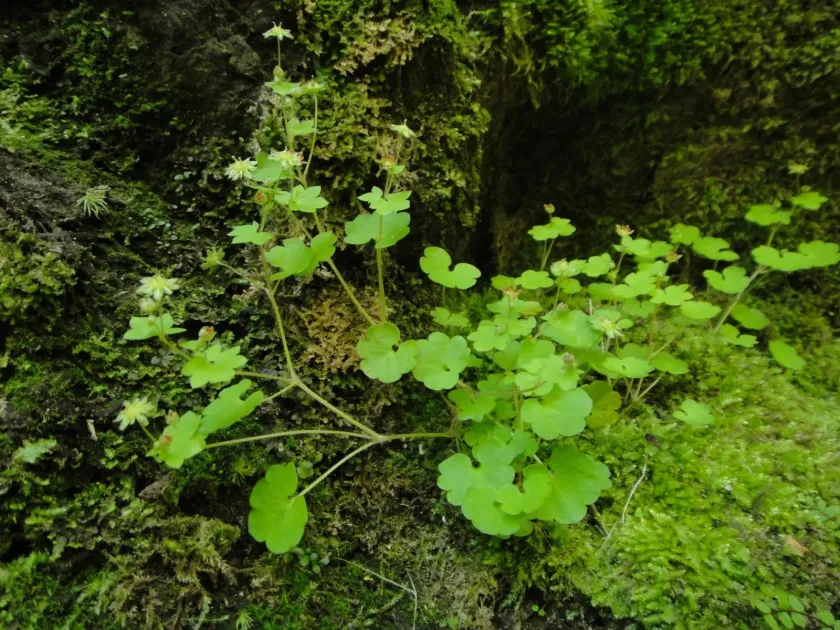
Description
Growing requirements
Saxifraga paradoxa, a member of the Saxifragaceae family, is a perennial herbaceous plant recognized for its unique habit of growth in rocky habitats. Originating primarily from the Eastern Pyrenees, this species has adapted to limestone cliffs and mountainous scree slopes.
Botanically, the plant develops dense, leathery rosettes that cluster to form small mounds. It exhibits a distinct vegetative propagation method using stolons, which allows it to spread effectively across rocky crevices. The flowers appear on thin, graceful stalks and provide significant aesthetic value.
To ensure optimal performance in cultivation, the plant requires a well-draining, mineral-rich substrate with a neutral to slightly alkaline pH. Drainage is the most critical factor; water must not accumulate around the crown, or the root system will quickly succumb to decay.
The culture thrives in partial shade, mimicking the conditions of sheltered mountain ledges. While it is hardy in many climates, it benefits from protection against extreme heat and desiccating winds during the summer months, and occasionally from excessive winter moisture.
In terms of agricultural and horticultural utility, Saxifraga paradoxa is highly valued for rock gardens, crevice planting, and troughs. Its ability to colonize narrow spaces makes it a premier choice for naturalistic garden designs that aim to replicate mountain meadow and scree environments.
Main diseases and pests
The primary threats to Saxifraga paradoxa include fungal pathogens such as Phytophthora and various types of root rot. These diseases are almost exclusively triggered by improper irrigation practices and poor aeration within the growing medium.
Insects and mollusks can also impact the health of the plants. Slugs and snails are the most common pests, as they feed on the succulent leaves of the rosettes, especially during damp spring weather. Maintaining a clean cultivation area with good airflow is the most effective preventative measure.