
Saxifraga paniculata
Saxifraga paniculata
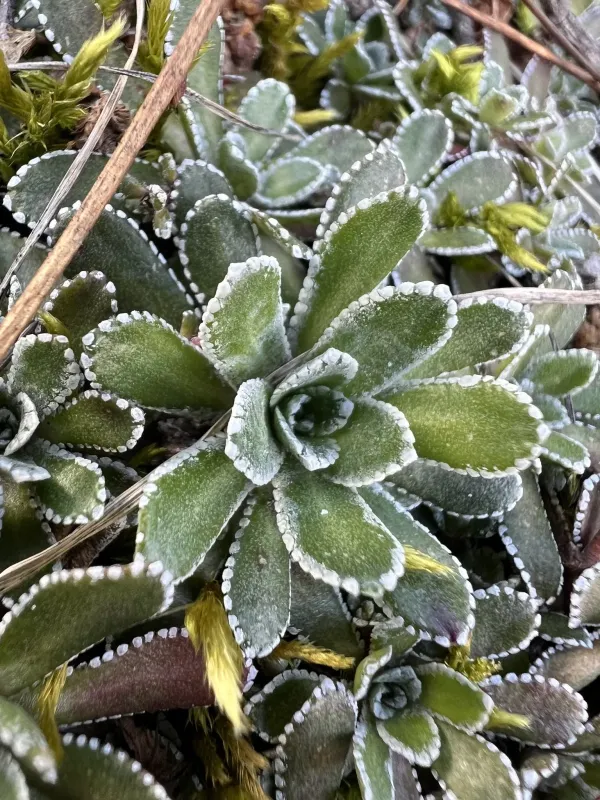
Description
Sowing dates
Propagation of Saxifraga paniculata is most efficiently achieved through the division of offsets or daughter rosettes during the active growing season.
Seed cultivation is possible, though it necessitates a period of cold stratification to break dormancy and ensure consistent germination rates.
Seeds should be sown in a sterile, well-draining mineral-based potting mix, ensuring they are only lightly pressed onto the surface without deep burial.
Containers should be kept in a cool, bright environment with consistent humidity levels maintained through the use of a humidity dome or film cover.
Once seedlings have established healthy rosettes, they can be carefully hardened off and transplanted into their permanent outdoor rock garden locations.
Growing requirements
Saxifraga paniculata is a perennial member of the Saxifragaceae family, naturally evolved to thrive on limestone cliffs and rocky scree slopes.
The plant requires a site with bright sunlight, although some protection from intense afternoon heat is beneficial in lower-altitude, hotter climates.
A well-draining, gritty soil mix with a neutral to alkaline pH is essential for replicating the natural environment and preventing root health issues.
This species is well-adapted to high-altitude cold, thriving in temperate zones provided that it has protection from excessive winter moisture.
Avoid excessive fertilization, as this species is adapted to nutrient-poor soils; over-feeding leads to weak growth and increased vulnerability to pests.
Main diseases and pests
Root rot is the most common threat to this plant, usually triggered by waterlogged conditions or poor air circulation around the root crown.
Fungal infections, including powdery mildew, can occur during periods of high humidity and insufficient ventilation between individual rosettes.
Spider mites are the primary pests that may infest the plant, particularly in sheltered or excessively dry locations during the summer months.
Effective management includes regular monitoring for early signs of infestation and ensuring the plants are not overcrowded in their growing space.
Applying specialized protective treatments at the first signs of stress can save the plant, but focus should remain on preventing conditions that invite pathogens.