
Saxifraga nipponica
Saxifraga nipponica
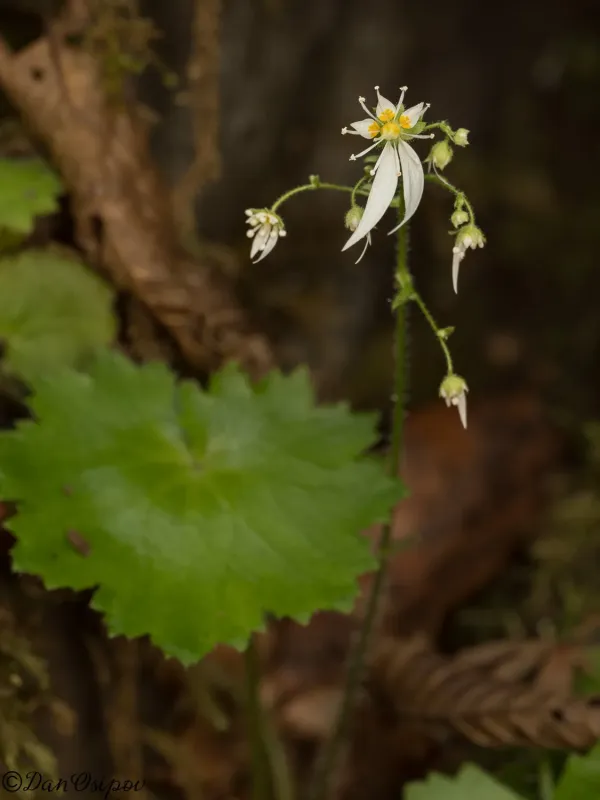
Description
Growing requirements
Saxifraga nipponica is a perennial herbaceous plant belonging to the Saxifragaceae family. Native to the mountainous regions of Japan, it is highly specialized for growth in crevices and rocky substrates found at high altitudes.
To cultivate this species successfully, gardeners must provide conditions that replicate its high-altitude habitat. This includes a cool climate with moderate humidity, as excessive heat is detrimental to the plant's physiological processes during the growing season.
The planting substrate must be exceptionally well-draining, typically consisting of a mix of gritty soil, coarse sand, and limestone chips. A lack of proper drainage is the most common cause of failure, as the plant cannot tolerate stagnant water around its crown.
Light requirements are best met with bright, filtered sunlight. While it appreciates light, intense direct sun during the afternoon can scorch the foliage; therefore, an eastern-facing position or partial shade is highly recommended for optimal development.
In landscape design, Saxifraga nipponica is primarily used in rock gardens, scree beds, and alpine troughs. Its compact, mat-forming growth habit provides excellent soil stability and adds unique textural interest to micro-gardens.
Main diseases and pests
The most significant threat to Saxifraga nipponica is root rot, driven by poor drainage or excessive moisture. This condition can lead to rapid decay of the basal rosettes, often resulting in the loss of the entire specimen if not addressed early.
Fungal infections, such as grey mould, can affect the plant in humid, poorly ventilated conditions. Regular maintenance, such as ensuring air movement and keeping the area around the base clean, is crucial for disease prevention.
Spider mites are a common pest, particularly during dry spells. These pests colonize the underside of leaves, causing chlorosis and weakening the plant. Preventive monitoring and, if necessary, the use of acaricides are standard practice.
Gastropods like slugs and snails represent a threat to tender young growth. Protecting the plant with gravel mulching or physical barriers is an effective, non-chemical way to reduce damage to the foliage rosettes.
Infections caused by root-knot nematodes can also occur in contaminated soil. Maintaining sterile growing media and performing regular plant health checks ensures that the saxifrage remains vigorous throughout its lifecycle.