
Saxifraga mucronulata
Saxifraga mucronulata
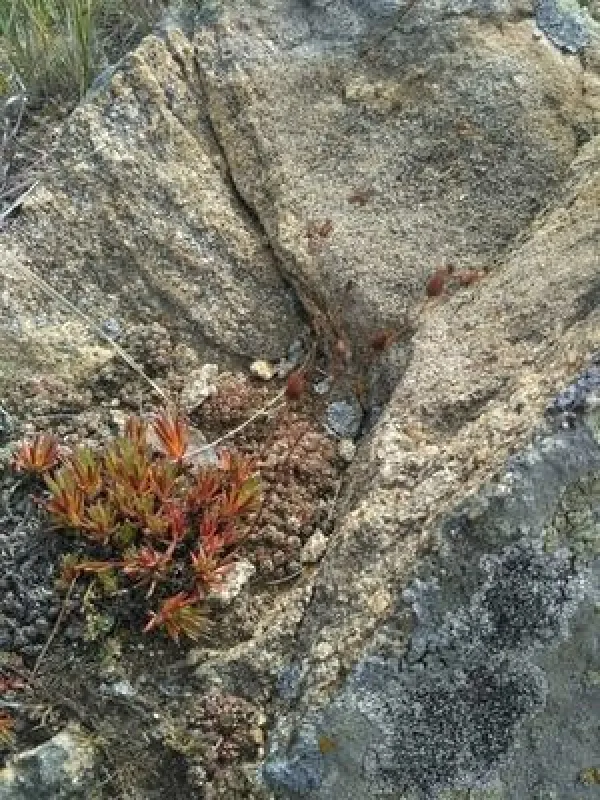
Description
Sowing dates
Sowing Saxifraga mucronulata seeds should ideally be done in late winter or early spring. Using a stratification process for several weeks is highly recommended to ensure uniform and successful germination of this alpine species.
Seeds should be surface-sown onto a well-draining, moist substrate. Because they require light to germinate, they must not be covered with a heavy layer of soil, as this will inhibit the development process.
Once seedlings have developed a few true leaves, they should be carefully pricked out into individual small pots. Maintaining a stable temperature around 15-18 degrees Celsius is crucial during the early stages of development.
Transplanting to the final location in the rock garden is best conducted in May after the risk of frost has completely passed. The chosen site should mimic the plant's natural rocky habitat for optimal growth.
Vegetative propagation by division or cuttings is best performed immediately after the flowering period concludes. This provides the plant with sufficient time to establish its root system before the onset of winter.
Growing requirements
Saxifraga mucronulata, a member of the Saxifragaceae family, thrives in conditions that resemble its native mountainous environment. It is best suited for rockeries, crevice gardens, or troughs where drainage is excellent.
The ideal growing medium must be highly porous and inorganic. A mixture of gravel, grit, and a small amount of leaf mold is perfect to ensure that moisture does not linger around the root collar.
This plant prefers bright light but appreciates some shade during the hottest parts of the day in summer to prevent leaf scorching. Adequate airflow is essential to keep the rosettes compact and healthy throughout the growing season.
The climate requirements include a preference for cool summers and well-ventilated winters. In regions with extremely cold and wet winters, protecting the plant from excessive moisture is more important than protection from cold itself.
Fertilization should be kept to a minimum as the plant is naturally adapted to nutrient-poor soils. Over-feeding leads to weak, leggy growth that is highly susceptible to pests and diseases.
Main diseases and pests
Fungal diseases, particularly crown rot, are the primary threat to Saxifraga mucronulata. These pathogens thrive in stagnant water or areas with poor air circulation, necessitating careful attention to watering practices.
Pests such as aphids and spider mites may target the plant, especially if it is stressed by improper environmental conditions. Regular monitoring of the rosettes is necessary to catch and treat infestations early.
Slugs and snails can cause significant damage to the foliage, especially during damp periods. Surrounding the plants with a layer of sharp grit can serve as an effective physical barrier against these mollusks.
Powdery mildew can occur in overly humid conditions or where the plants are overcrowded. Ensuring proper spacing between individual rosettes promotes airflow and helps maintain the overall health of the collection.
Any signs of wilting or discoloration should be investigated immediately, as these are often indicators of underlying root issues. Promptly removing dead or decayed leaves prevents the spread of opportunistic fungal infections.