
Scaly saxifrage
Saxifraga lepismigena
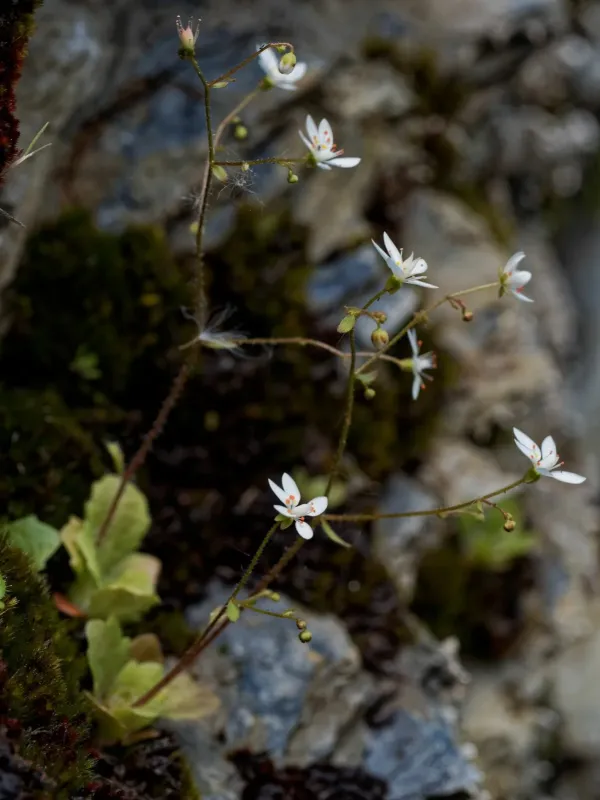
Description
Sowing dates
Sowing of Scaly saxifrage is best performed in late winter or early spring using a well-draining seed mix. The seeds require a period of cold stratification to break dormancy and ensure uniform germination.
Place the seeds on the surface of the moist substrate and press them gently. Avoid covering them with a thick layer of soil, as the seeds need light to trigger the sprouting process successfully.
Keep the container in a bright area, away from direct sunlight, maintaining a constant temperature around 15-18 degrees Celsius. Use a clear cover to maintain humidity until the seedlings emerge.
Prick out the young seedlings into individual small pots once they develop their first true leaves. This allows each plant to develop a strong root system before being moved to the rock garden.
Acclimatize the plants gradually to outdoor conditions over two weeks before final planting. This hardening process reduces transplant shock and prepares them for the environment of an alpine garden.
Growing requirements
As a member of the Saxifragaceae family, this plant thrives in conditions that mimic its native rocky habitat. It is essential to provide excellent drainage to prevent crown rot, which is a common issue.
The soil should be sandy, gritty, and lean, with a neutral or slightly alkaline pH. Avoid using rich, organic-heavy composts, as these encourage succulent growth that is less hardy and prone to damage.
Scaly saxifrage performs best in partial shade, especially in regions with intense summer heat. In cooler climates, it can tolerate more exposure to sunlight provided the soil remains consistently cool.
Watering should be balanced; keep the soil lightly moist during the active growing season but never waterlogged. During winter, the plant prefers drier conditions to remain dormant and healthy.
Mulching with fine gravel or stone chippings helps to keep the base of the plant dry and prevents weeds. This practice mimics the natural alpine scree environment and enhances the plant's decorative appeal.
Main diseases and pests
Root rot is the most significant threat, often resulting from poor soil drainage or excessive humidity. Always check for signs of discoloration at the base of the rosettes and remove infected areas immediately.
Aphids can infest the tender shoots during the spring season, causing stunted growth and leaf curling. Treat the infestation with mild insecticidal soaps or neem oil to minimize damage to the foliage.
Spider mites might appear during hot and dry spells, sucking sap from the leaves. Increasing humidity around the plant and ensuring proper hydration are effective ways to deter these pests.
Slugs and snails can cause considerable damage, especially to young plants in moist weather. Use physical barriers or organic bait traps around the perimeter of the planting area for effective control.
Fungal diseases like rust can occur in stagnant, humid environments. Ensure good airflow by spacing plants appropriately and removing any debris that may harbor pathogens throughout the season.